Section 2 of 6
The makers — from 22 Designs in Driggs to Rottefella in Norway — and what a low-volume ski-hardware business actually looks like.
6 pieces · all sections

Lead piece
Profiles the company behind the Outlaw X and the Lynx — its location in Driggs at the base of the Tetons, its production model, and what distinguishes its approach to NTN hardware from the European makers.
Read the piece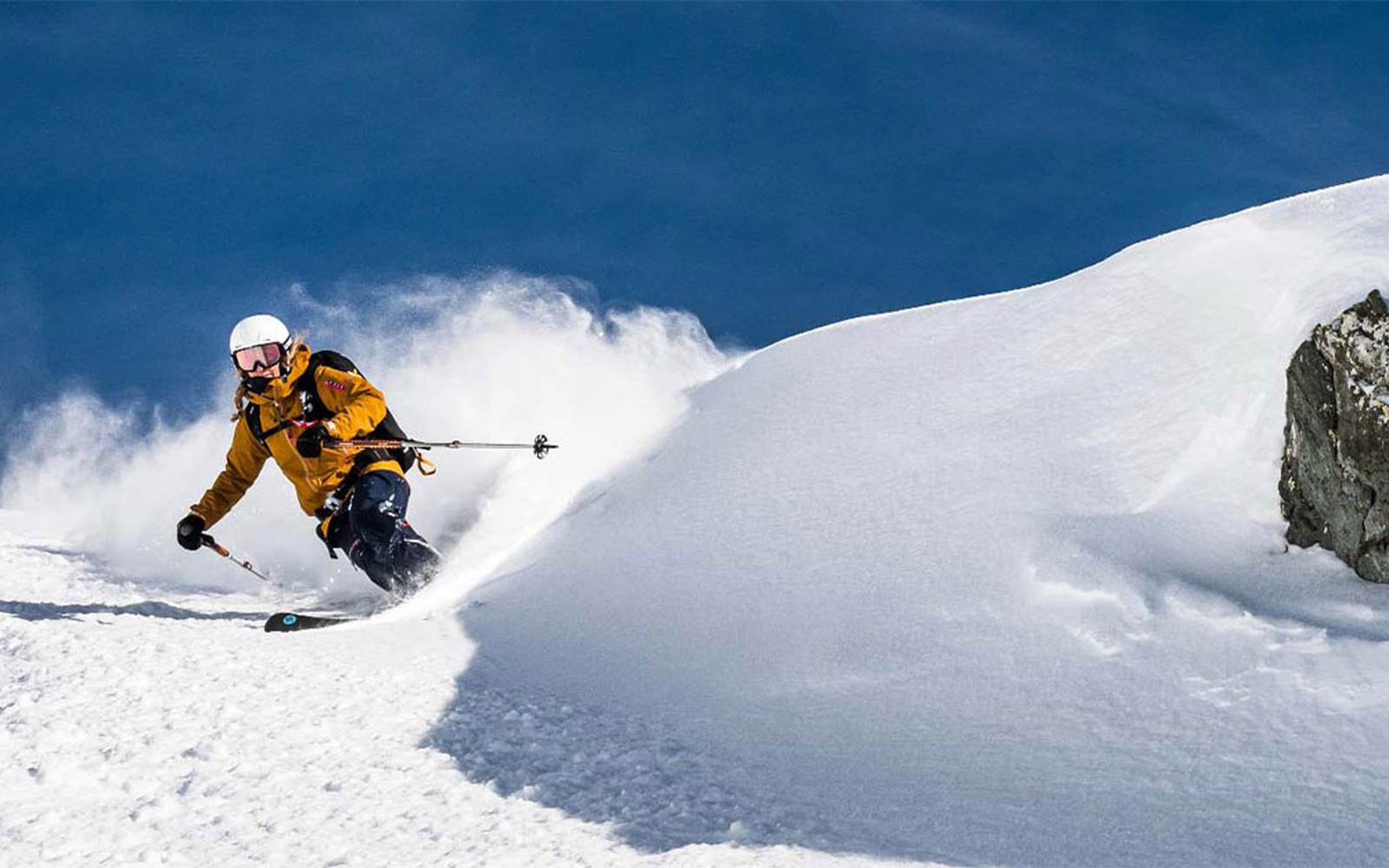
Who Builds It
Examines the Meidjo binding from The M Equipment — its releasable, tourable design, how the release mechanism differs from earlier NTN bindings, and the engineering decisions behind a binding designed for both ski-touring and resort use.
Read the piece
Who Builds It
Covers Rottefella's role in establishing the NTN standard, its position as the dominant NTN manufacturer, and the product decisions — including the Freeride discontinuation — that shaped what the norm became in practice.
Read the piece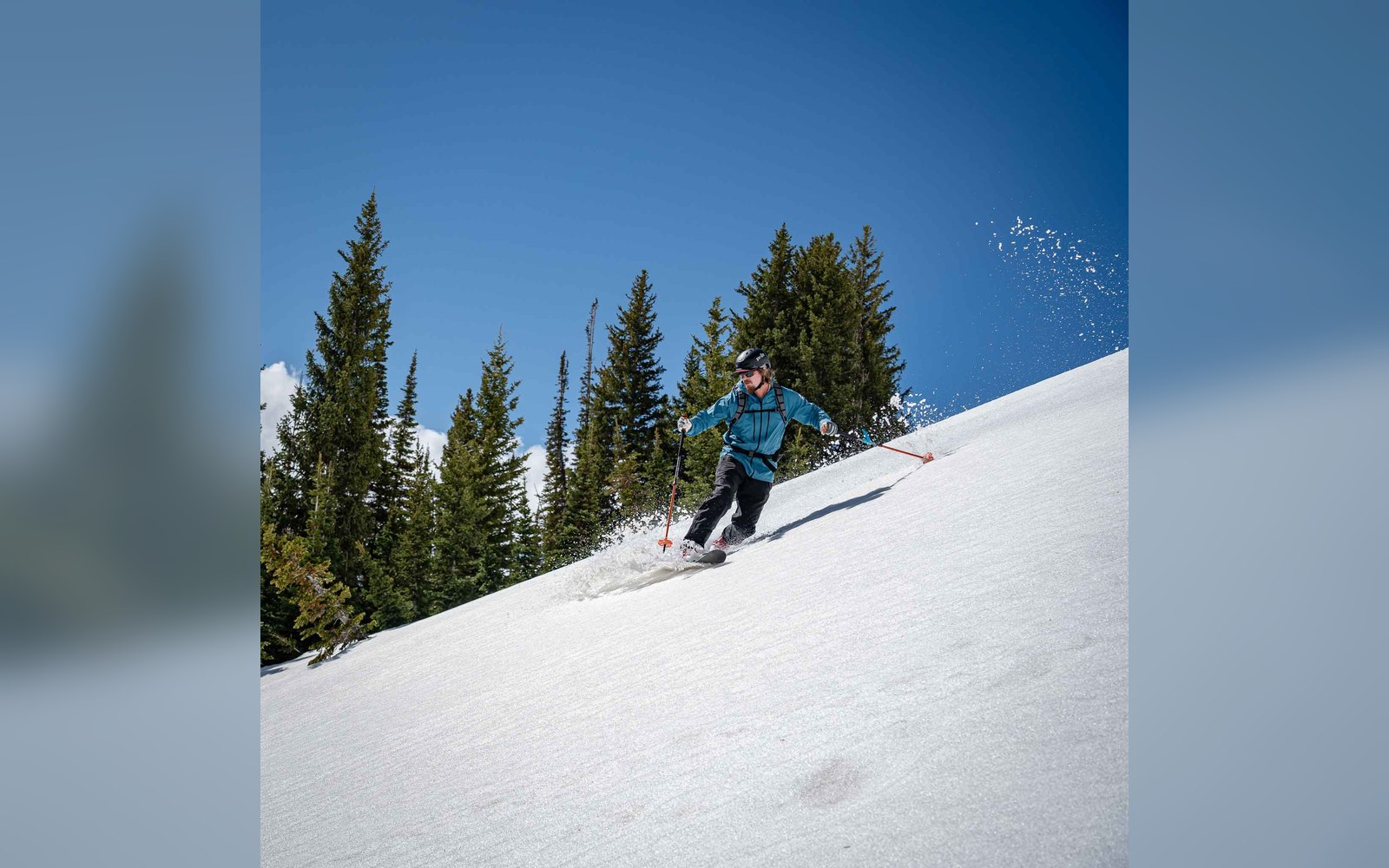
Who Builds It
Describes Voile's operation in Salt Lake City — its product range across cable bindings, splitboards and skins, and what it means to manufacture ski hardware at low volume in a city at the edge of the Wasatch.
Read the piece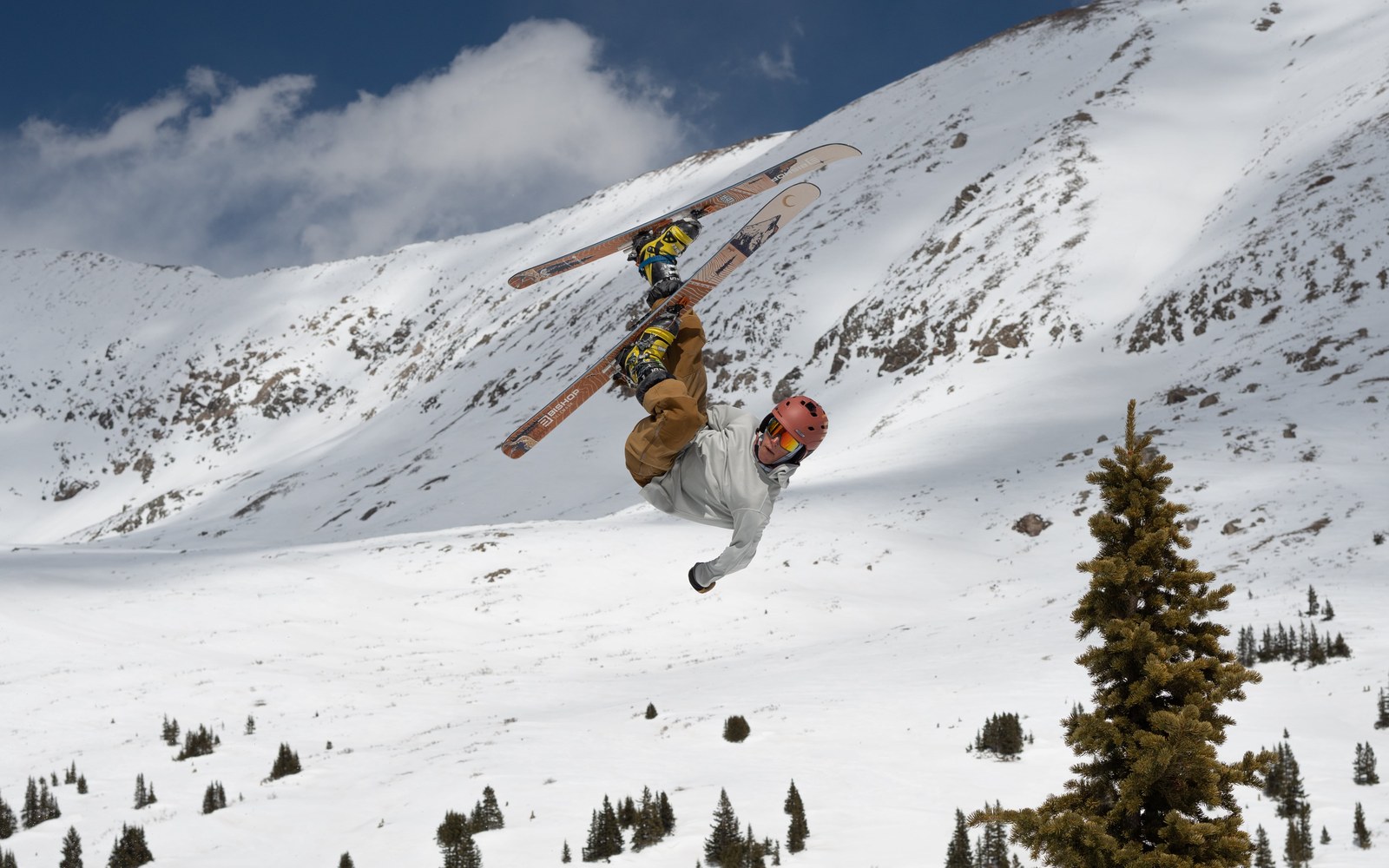
Who Builds It
Profiles Bishop Bindings and its BMF model — the mechanical design, the small-batch production context, and the market gap it addresses between the major NTN manufacturers.
Read the piece
Who Builds It
A reported piece on the economics of small-batch ski-binding manufacturing — tooling costs, minimum order quantities, distribution, and why the telemark binding market has sustained several micro-manufacturers while the alpine market has not.
Read the piece