The M Equipment and the Meidjo
Examines the Meidjo binding from The M Equipment — its releasable, tourable design, how the release mechanism differs from earlier NTN bindings, and the engineering decisions behind a binding designed for both ski-touring and resort use.
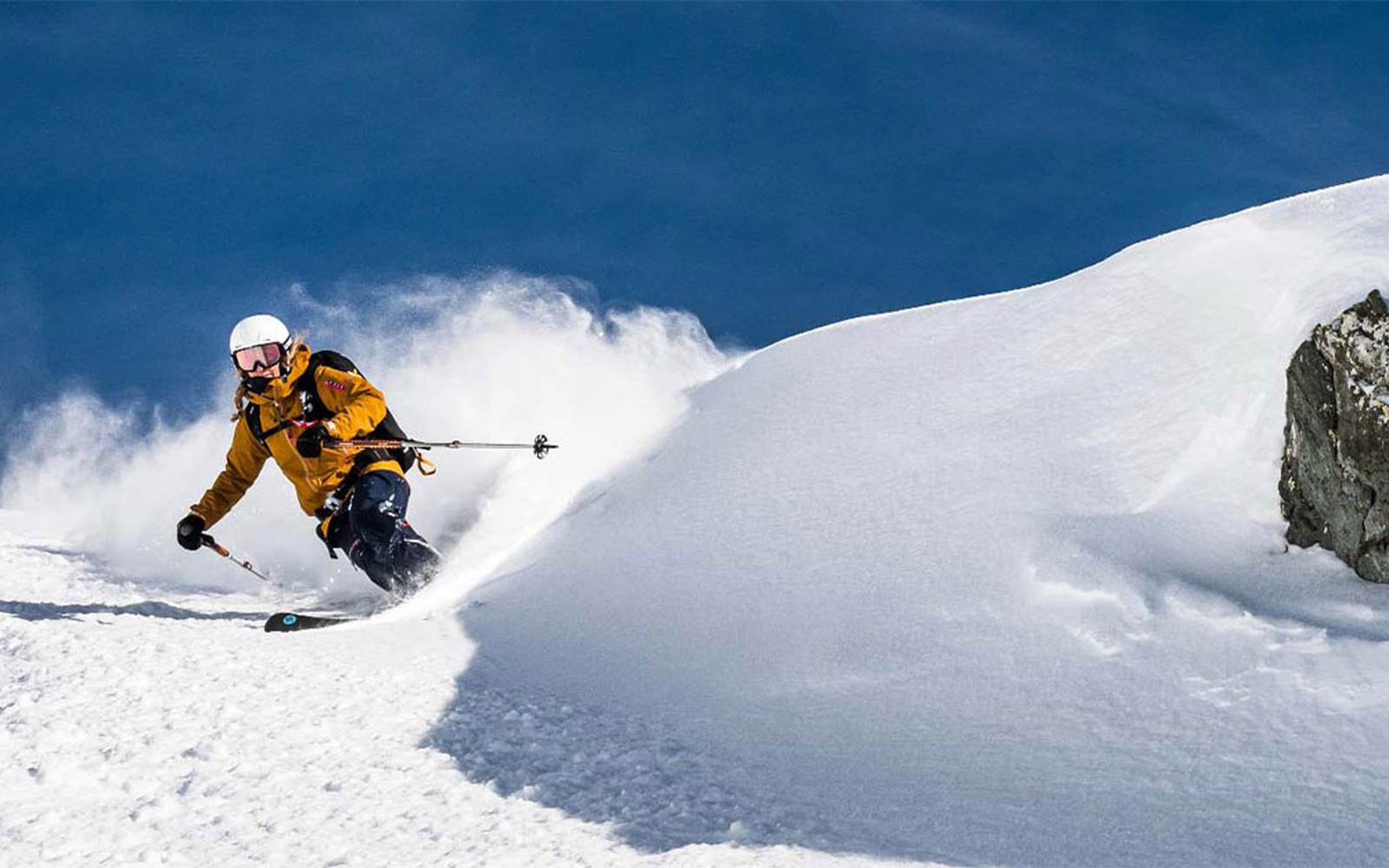
Pins forward, spring under the bellows. The Meidjo tours on one interface and skis on another.
Photo: the-m-equipment.com
A releasable NTN binding built for both the skin track and the resort — and the engineering choices that make it different
What The M Equipment Is, and Where It Comes From
The M Equipment is a French company, small by any measure, operating in a binding market that has never been hospitable to small operators. Its signature product, the Meidjo, is an NTN-compatible telemark binding with an integrated releasable mechanism — a combination that, for most of telemark's modern history, either did not exist or existed only in prototype form. The binding has gone through several versions since it first reached the market, each iteration refining the release geometry and the touring-mode mechanism. That iterative record is itself significant: it suggests a company paying close attention to what the binding actually does in the field rather than treating the first production run as a finished argument.

One binding, laid out. Free-heel hardware is assembled in batches small enough to fit on a cloth.
Photo: Dj Shiflet / Pexels
The New Telemark Norm, introduced in 2007, changed the structural logic of telemark bindings by shifting the connection point from the legacy 75mm duckbill toe to a boot-encircling toe interface that grips the boot's toe welt, with the heel left free. That geometry made safety release far more tractable than it had ever been under the three-pin system, because the binding now had multiple contact points from which to engineer a controlled separation. The Meidjo is the most fully developed attempt by any manufacturer to exploit that possibility for a binding intended as a genuine all-rounder — one that tours efficiently and releases predictably under a fall load.
The Release Mechanism and Why It Is Engineered Differently
The central engineering problem in a releasable telemark binding is that the forces on the boot during a normal turn are large and asymmetric. The drop-knee position loads the binding in ways that have no direct analogue in alpine skiing: the heel lifts, the boot flexes forward, and lateral and torsional loads arrive simultaneously. A release mechanism must distinguish between these intentional skiing loads and the accidental ones that precede injury. Get that threshold wrong in one direction and the binding releases during hard skiing; get it wrong in the other and it holds when it should not.
The Meidjo addresses this with a toe-piece release that operates laterally and a heel-piece design that accommodates the free-heel lift without pre-loading the release mechanism. The release value is adjustable, and the binding has been certified to the ISO 13992 standard, which governs releasable free-heel ski bindings — a standard that earlier NTN bindings such as the Rottefella NTN Freeride were not built to meet in the same way. That certification matters practically: it is the basis on which ski patrols and insurers treat a binding as genuinely releasable rather than as a fixed system with a theoretical break point.
The touring mode is where the Meidjo's second engineering argument lives. In walk mode, the heel-piece disengages from the boot rand, freeing the heel for a full climbing stride. The transition between ski mode and walk mode is a lever operation, designed to be executed with a pole tip or gloved hand. The toe-piece retains its grip on the boot throughout, meaning the boot stays located on the ski during the transition — a detail that matters on a steep skin track where a loose boot is a genuine hazard. The mechanism does not require the skier to remove the binding from the ski or the boot from the binding to switch modes, which places it in the same functional category as the better alpine touring bindings in terms of transition convenience.
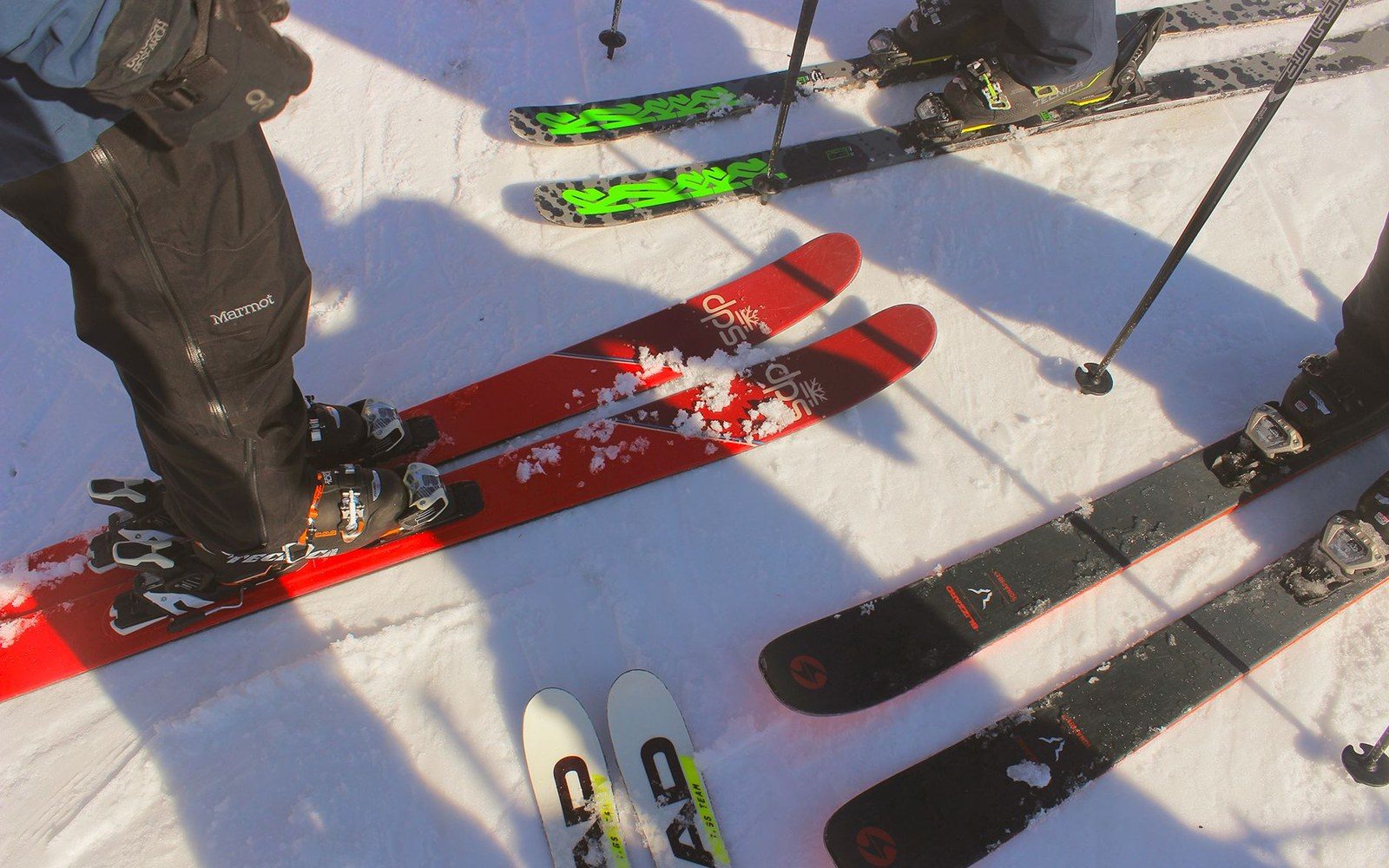
The New Telemark Norm seen from above: the claw sits forward of the toe, the pivot behind it.
Photo: sig / Pexels
Engineering Decisions in Context
The Meidjo is heavier than a non-releasable NTN binding. That is not a flaw — it is the direct cost of the release mechanism and the walk-mode hardware. Weight in a backcountry binding is always a trade negotiated against function, and the Meidjo's position in that trade is explicit: it gives up grams in exchange for certified release and a touring mode capable of handling real vertical gain. Compared to a cable binding without release, the weight penalty is meaningful. Compared to what a skier would otherwise carry — a fixed binding plus separate approach footwear — the calculation is less straightforward.
The binding's NTN interface means it requires NTN-compatible boots. That limits the boot field to what Scarpa, Crispi, and a small number of other manufacturers currently produce, which is a narrower selection than the old 75mm ecosystem at its peak. It also means the Meidjo benefits from NTN's structural stiffness advantage over the duckbill toe: the rand-encircling grip transmits power more directly and allows a stiffer boot-binding system without sacrificing the heel lift that defines the telemark turn.
The transition between ski mode and walk mode is a lever operation, designed to be executed with a pole tip or gloved hand
Tech-toe compatibility — the capacity to interface with the pin-and-socket toe fittings used in alpine touring systems — is an avenue some NTN binding designers have explored. The Meidjo does not pursue that direction; it is a telemark-specific design, not a hybrid. That choice keeps the binding focused and the release geometry coherent, rather than trying to serve two very different boot standards from one piece of hardware.
The Meidjo in the Broader Market
The M Equipment occupies a particular position in a market that already includes 22 Designs in Driggs, Idaho, Rottefella in Norway, and Voile in Salt Lake City — each approaching the NTN or cable binding question differently. 22 Designs' Outlaw X is a non-releasable NTN binding aimed at aggressive resort and backcountry use; Rottefella's current NTN offerings focus on the race and freeride market; Voile's Switchback remains in the cable tradition. None of those is the Meidjo's direct competitor, because none combines certified lateral release with an integrated touring mode in a single NTN package.
Telemark's institutional footing has long been fragile, but the binding market's response to that fragility has not been retrenchment. The Meidjo exists because there is a population of telemark skiers who want to skin into the Wasatch, the Tetons, or the Chic-Chocs and ski down on free heels with a binding that behaves like safety equipment rather than a calculated risk. That population is not large enough to interest a major alpine binding manufacturer, but it is large enough, and committed enough, to support a small French company through multiple iterations of a technically ambitious product. That is, by the standards of this particular corner of skiing, a kind of success.