Section 5 of 6
Named North American scenes, resort skinning policies, and the avalanche-education institutions that frame backcountry access.
5 pieces · all sections
Lead piece
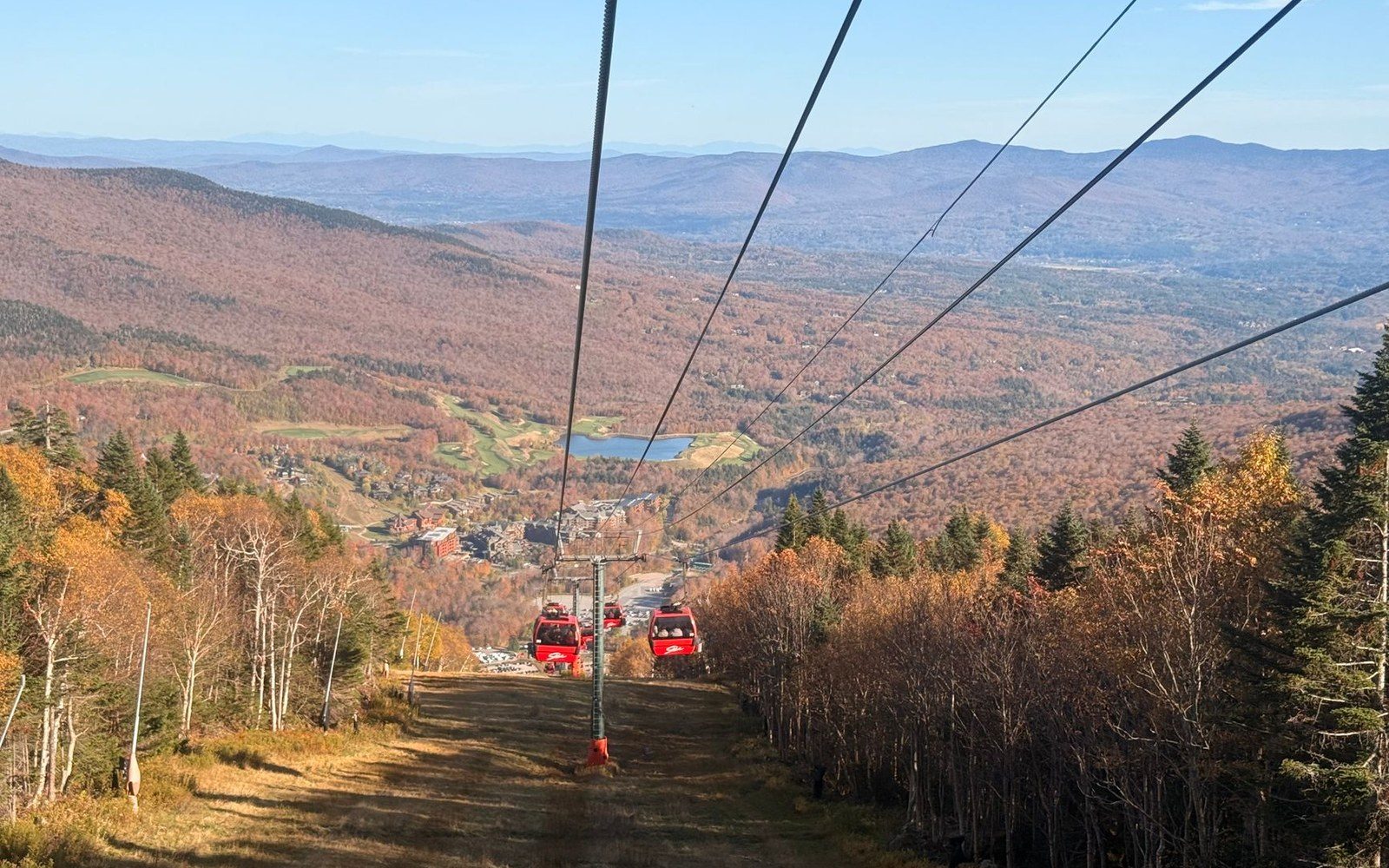
Describes Mad River Glen in Vermont — its single fixed-grip chairlift, its cooperative ownership structure, and the specific character of its free-heel skiing community, drawing on the area's own published history.
Read the piece
The Places
Contrasts the free-heel skiing cultures of the Wasatch Range (centred on Salt Lake City and the proximity of Voile and other makers) and the Teton Range (where 22 Designs operates in Driggs) — the terrain, the communities, and the gear preferences each scene favours.
Read the piece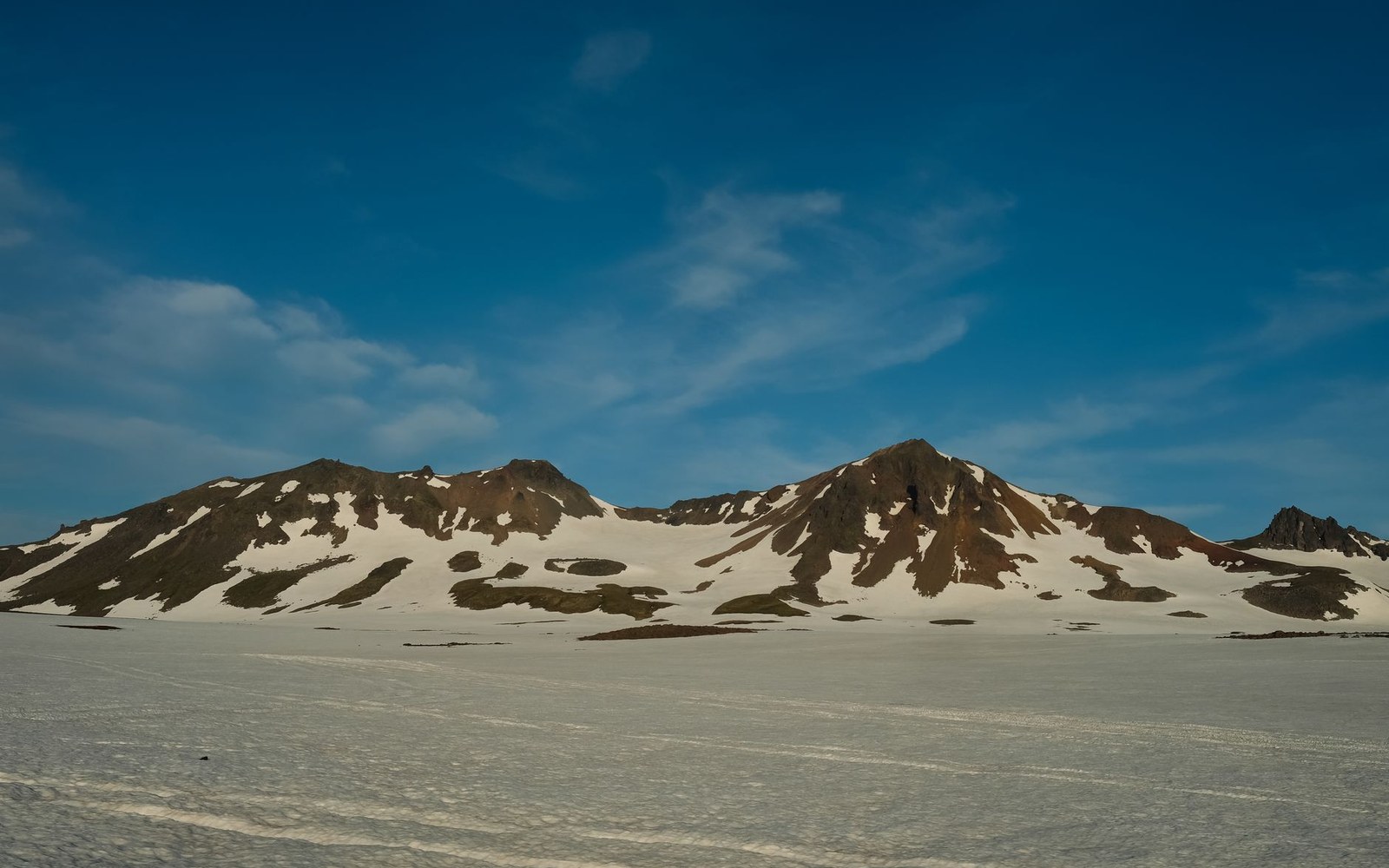
The Places
Profiles the Chic-Chocs range in the Gaspésie as a distinct free-heel destination — the terrain character, the access model, and the Quebec telemark community that has formed around it.
Read the piece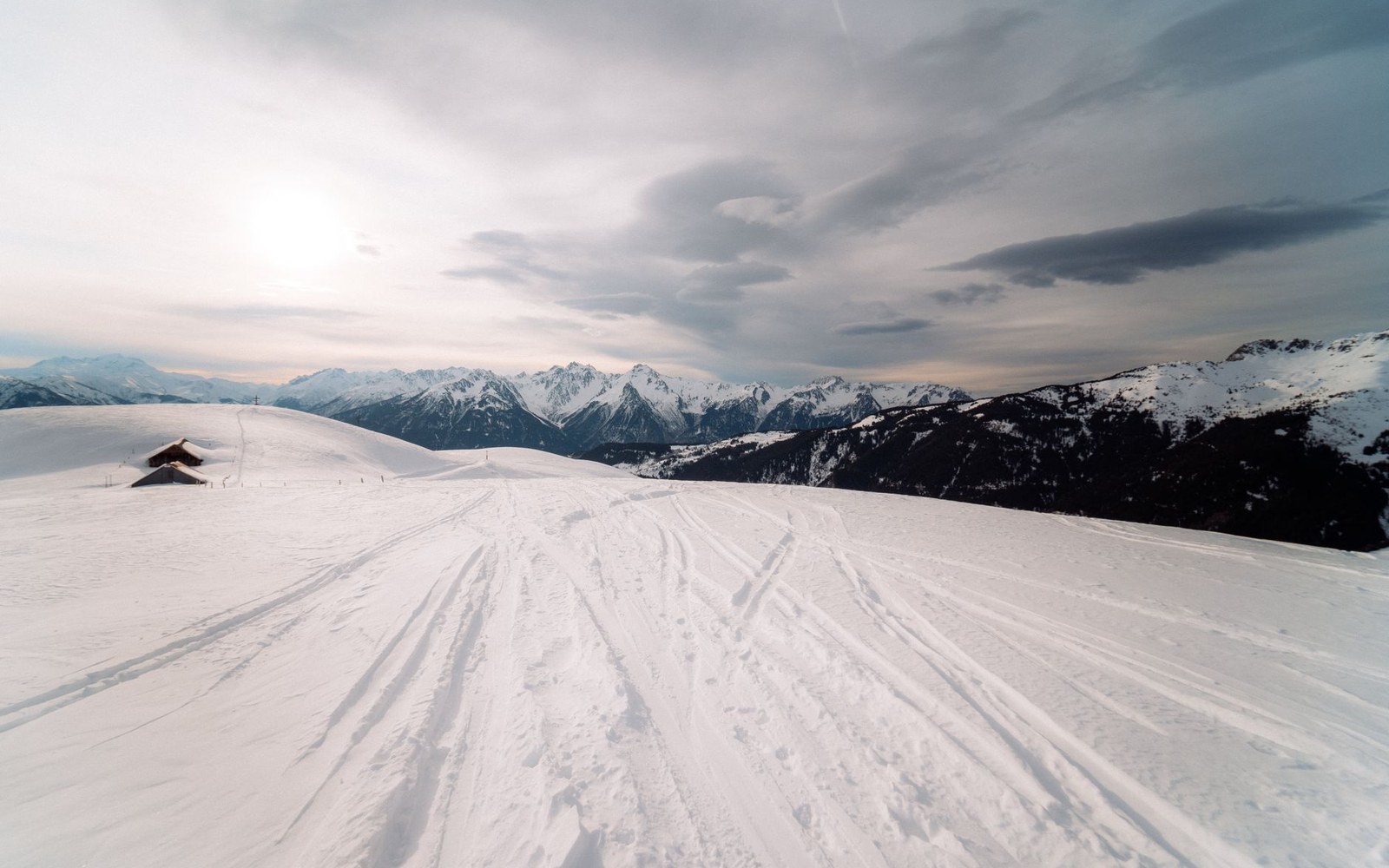
The Places
Surveys how North American ski resorts have formalised uphill-access policies — the range of permit and pass structures, the terrain restrictions most commonly applied, and what the policy shift means for free-heel skiers using resort terrain as a skin track.
Read the piece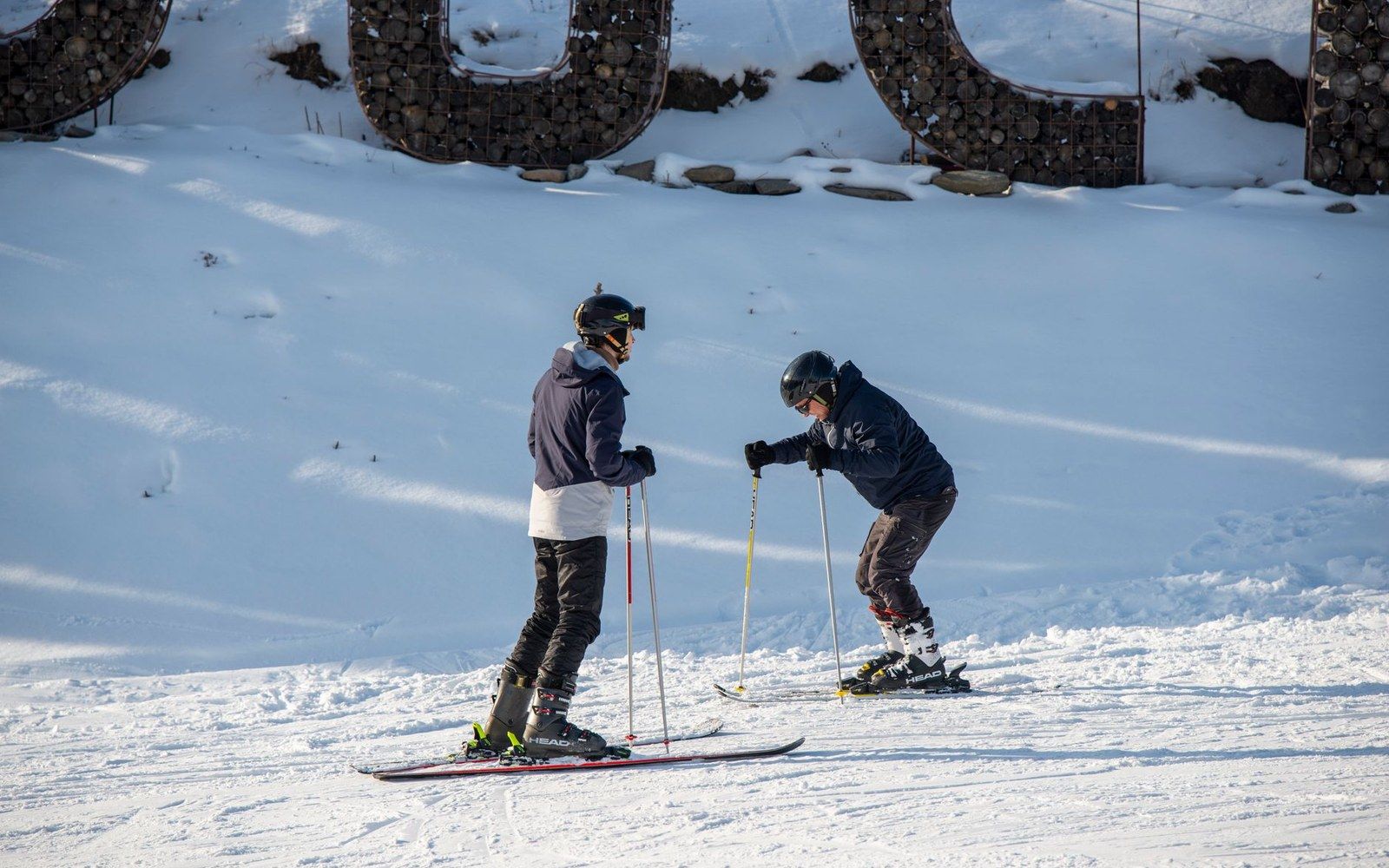
The Places
Describes the American Institute for Avalanche Research and Education (AIARE) and the Canadian Avalanche Association (CAA) as educational institutions — their course structures, published curricula, and the certification pathways each offers, without guidance or instruction.
Read the pieceWhere these pieces are
Four markers, west to east. Salt Lake City and the Wasatch fall within one marker, as do Driggs and Teton Pass.
Geometry: pack map kit