The Wasatch and the Tetons: Two Scenes, One Norm
Contrasts the free-heel skiing cultures of the Wasatch Range (centred on Salt Lake City and the proximity of Voile and other makers) and the Teton Range (where 22 Designs operates in Driggs) — the terrain, the communities, and the gear preferences each scene favours.
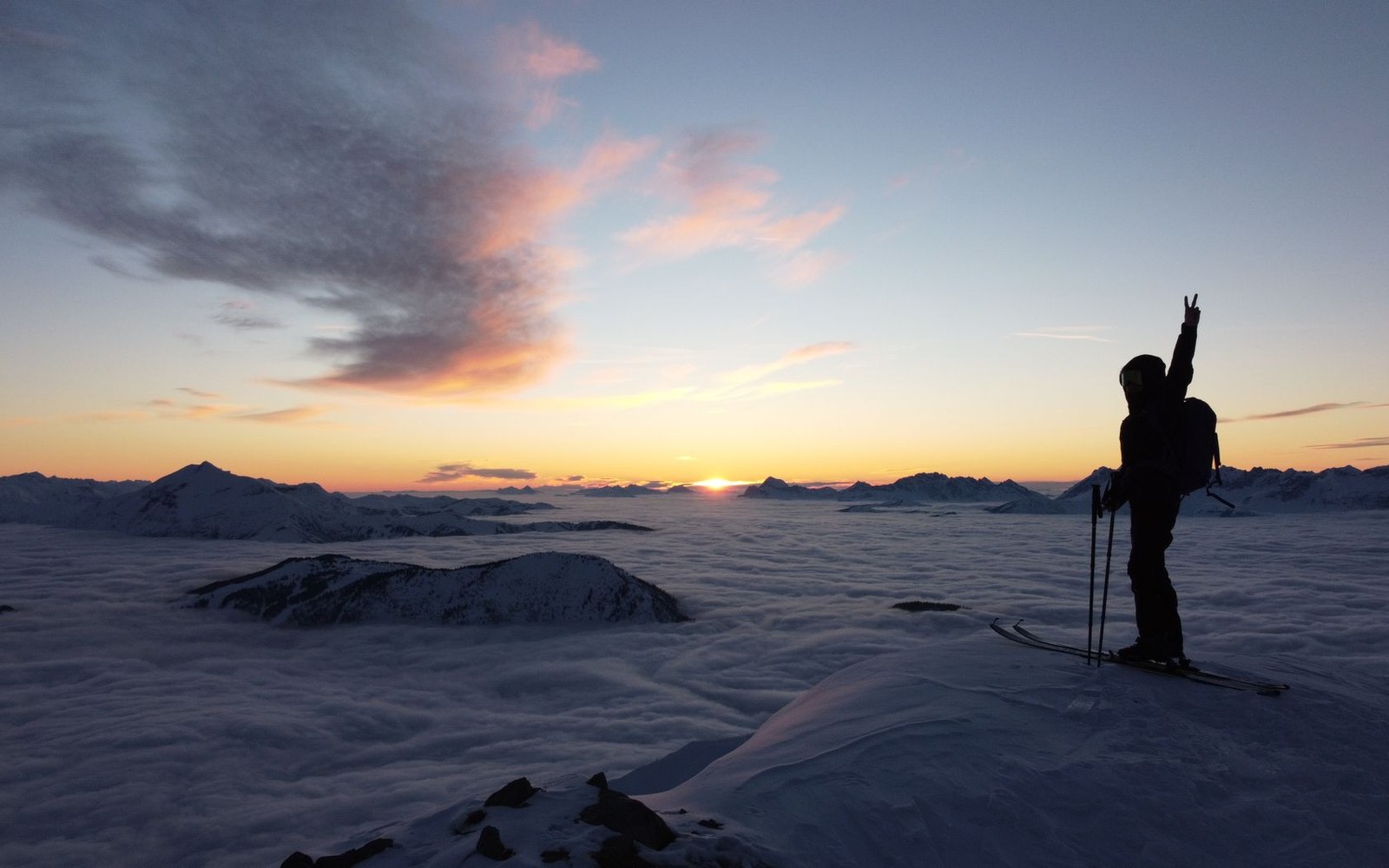
A range with a city under it, forecast every morning.
Photo: Valentin ERRARD / Pexels
Two mountain ranges, roughly three hundred miles apart, share a binding standard but not much else.
Salt Lake City and the Wasatch: Industry at the Trailhead
The Wasatch Range rises so abruptly from Salt Lake City's eastern edge that a commuter can skin from a neighborhood street to serious avalanche terrain inside an hour. That proximity has shaped everything: the free-heel community here is large, urban-adjacent, and pragmatic. People ski before work. They optimize for efficiency — light packs, fast transitions, familiar couloirs skied dozens of times in a season. Voile, the Salt Lake City manufacturer whose cable bindings and split-travel hardware have defined a certain strand of North American free-heel culture for decades, is a product of exactly this environment. Gear here is expected to earn its place in a daily routine, not just an annual expedition.
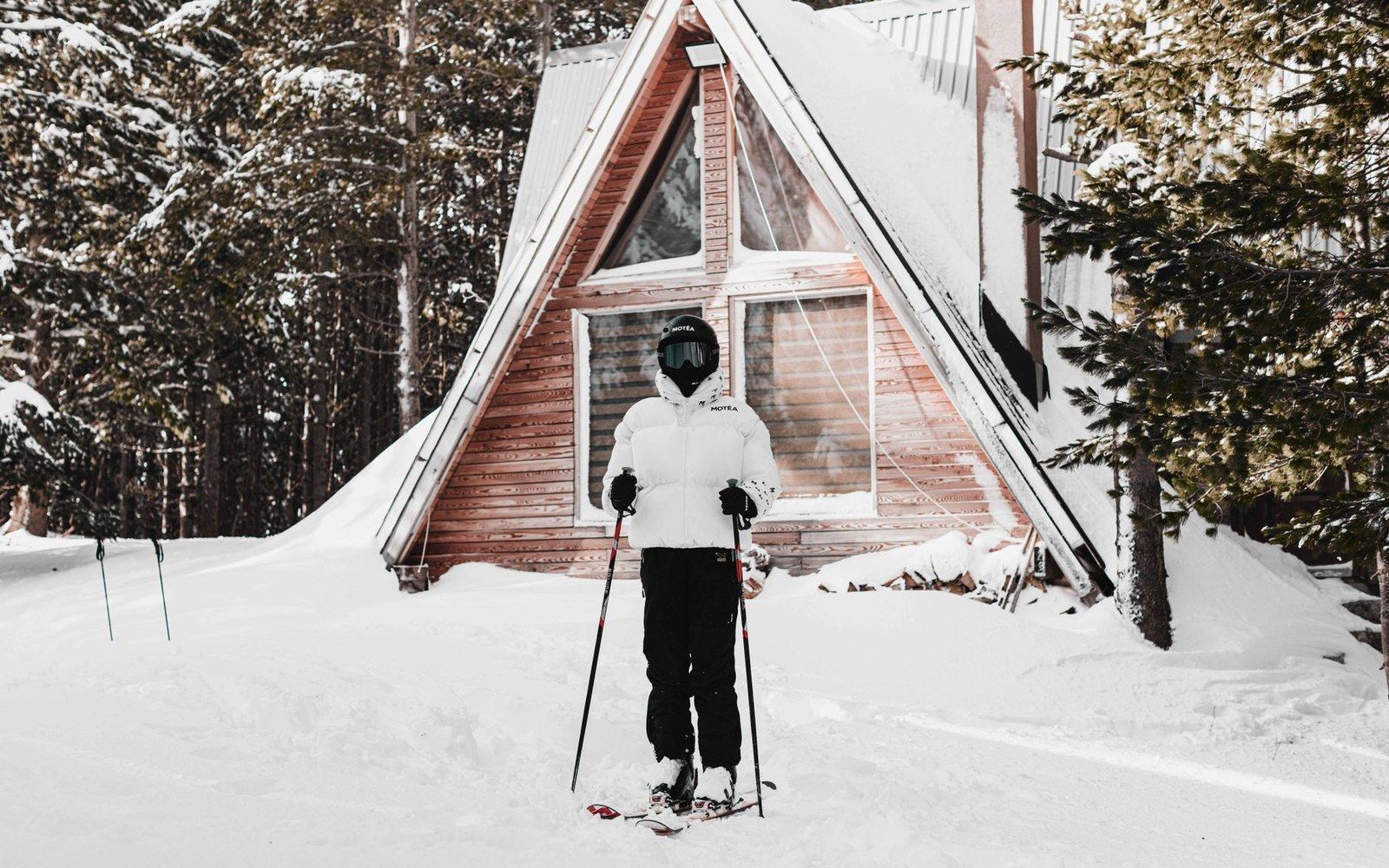
Both norms on one wall: duckbill and NTN setups rack together, ski for ski.
Photo: DYLBER CAUSHI / Pexels
The terrain itself tilts toward steep, consequential lines cut by deep, persistent snowpack — the kind of snowpack ↗ the Utah Avalanche Center has documented as structurally complex in a specific and recurring pattern. Faceted layers form early in the season beneath a thin slab, and the Wasatch's free-heel community navigates these conditions as a matter of course. The gear preference that emerges is telling: cable bindings remain strong here, partly for weight and partly for a philosophical affinity with what might be called the Nordic inheritance — the notion that the heel's freedom is the point, not an inconvenience to be minimised.
Voile's product range — cable systems alongside splitboard hardware and skins — reflects a maker that serves a touring-first clientele. The binding is a means to the mountain, and the mountain, in the Wasatch, is never more than a short drive from where the gear was built.
Driggs and the Tetons: A Different Kind of Proximity
Cross into Idaho and the logic shifts. Driggs sits on the western slope of the Teton Range, a small town whose relationship to big terrain is less about frequency than about scale. The Tetons present a starker, more openly vertical landscape than the Wasatch's ridgeline maze — fewer lines, longer approaches, larger consequences. The free-heel skier here tends to be expedition-minded even on a day trip.
22 Designs, based in Driggs, makes the Outlaw X and the Lynx — NTN bindings that sit toward the performance end of the spectrum, built for skiers who want progressive downhill response from their free heel. That orientation makes sense given the terrain: the Tetons reward power transmission and edge control on sustained steep pitches. The community around Driggs skews toward people who have already worked through the weight-versus-performance argument and landed on the heavier side of it.
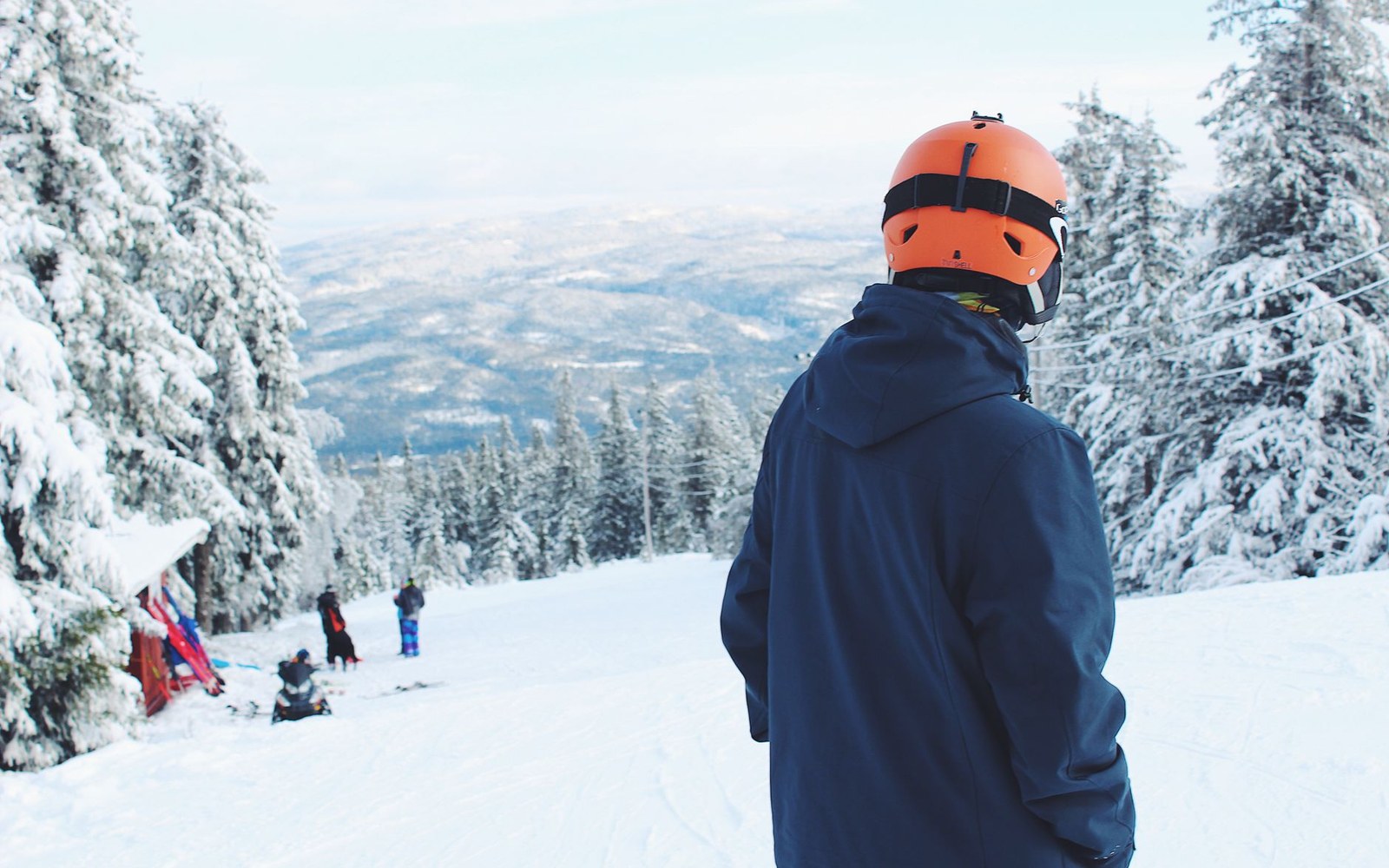
Mid-lead-change. The trailing ski carries as much of the turn as the leading one.
Photo: Elisabeth Fossum / Pexels
The New Telemark Norm, introduced in 2007, is the common language between these two scenes. Both communities use NTN systems — 22 Designs from one side, Rottefella from Norway on the other — but the specific bindings within that standard still carry the fingerprints of where they were conceived. Boots from Scarpa and Crispi serve both ranges, though the Wasatch's touring emphasis pushes some skiers toward lighter, more walk-friendly configurations while the Teton crowd more often accepts a stiffer ride for the descent.
What the Norm Holds Together
Neither scene is monolithic. The Wasatch has its big-mountain free-heelers; Driggs has its skin-track devotees. But the cultural center of gravity differs, and gear makers located in each place have absorbed that difference into their products.
That orientation makes sense given the terrain: the Tetons reward power transmission and edge control on sustained steep pitches
What the two ranges share is a commitment to the free heel as something more than a technical specification — it is, in both places, a position on what skiing is for. The lead change executed on a Wasatch north face in February, and the same movement on a Teton couloir a week later, are kinematically identical. The communities around them are not, and the gear they reach for, while governed by the same interface standard, reflects that divergence with some precision.
The NTN norm holds the whole ecosystem together. The ranges, the towns, and the manufacturers occupying them fill it with distinct character.