Skinning Passes and the Resort as Approach
Surveys how North American ski resorts have formalised uphill-access policies — the range of permit and pass structures, the terrain restrictions most commonly applied, and what the policy shift means for free-heel skiers using resort terrain as a skin track.
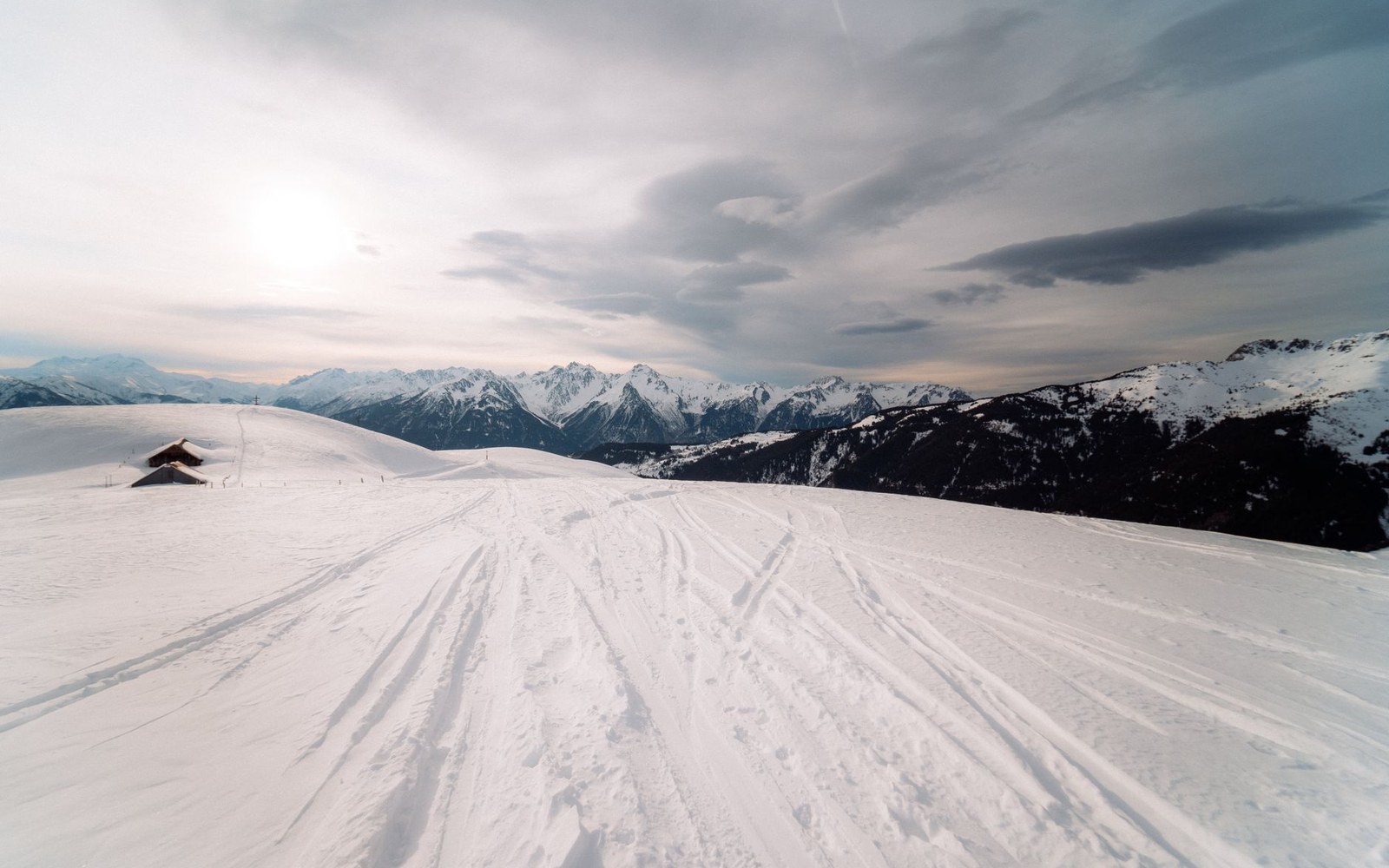
Uphill access became a product with a policy document behind it.
Photo: Bert Christiaens / Pexels
How a policy shift turned the skin track into a product
For most of telemark's North American history, the resort boundary was a line you crossed on the way somewhere else — a fixed-grip lift or a patrol hut used as a staging point before the real objective. The idea that a skier would pay a separate fee to walk uphill on resort terrain, subject to published rules and restricted to designated corridors, would have seemed strange to the generation that wore three-pin bindings and left through the back gate. It no longer seems strange. Most large resorts in the Wasatch Range, the Tetons, and across the mountain West now publish formal uphill-access policies, issue season and day passes for skinning, and enforce terrain restrictions that shift by hour and by zone.
The policy shift accelerated sharply after 2015 and reached something close to standardisation by the early 2020s. The National Ski Areas Association's published uphill-access guidelines helped individual resorts build consistent frameworks, covering designated uphill routes, gear requirements such as avalanche transceivers and shovels, and the prohibition — near-universal now — on skinning during operational lift hours on runs where descending skiers would share the surface. A skier approaching the Teton backcountry via the resort skin track in Jackson Hole is operating under a documented policy that specifies entry and exit points, prohibited terrain, and conditions under which access closes entirely.
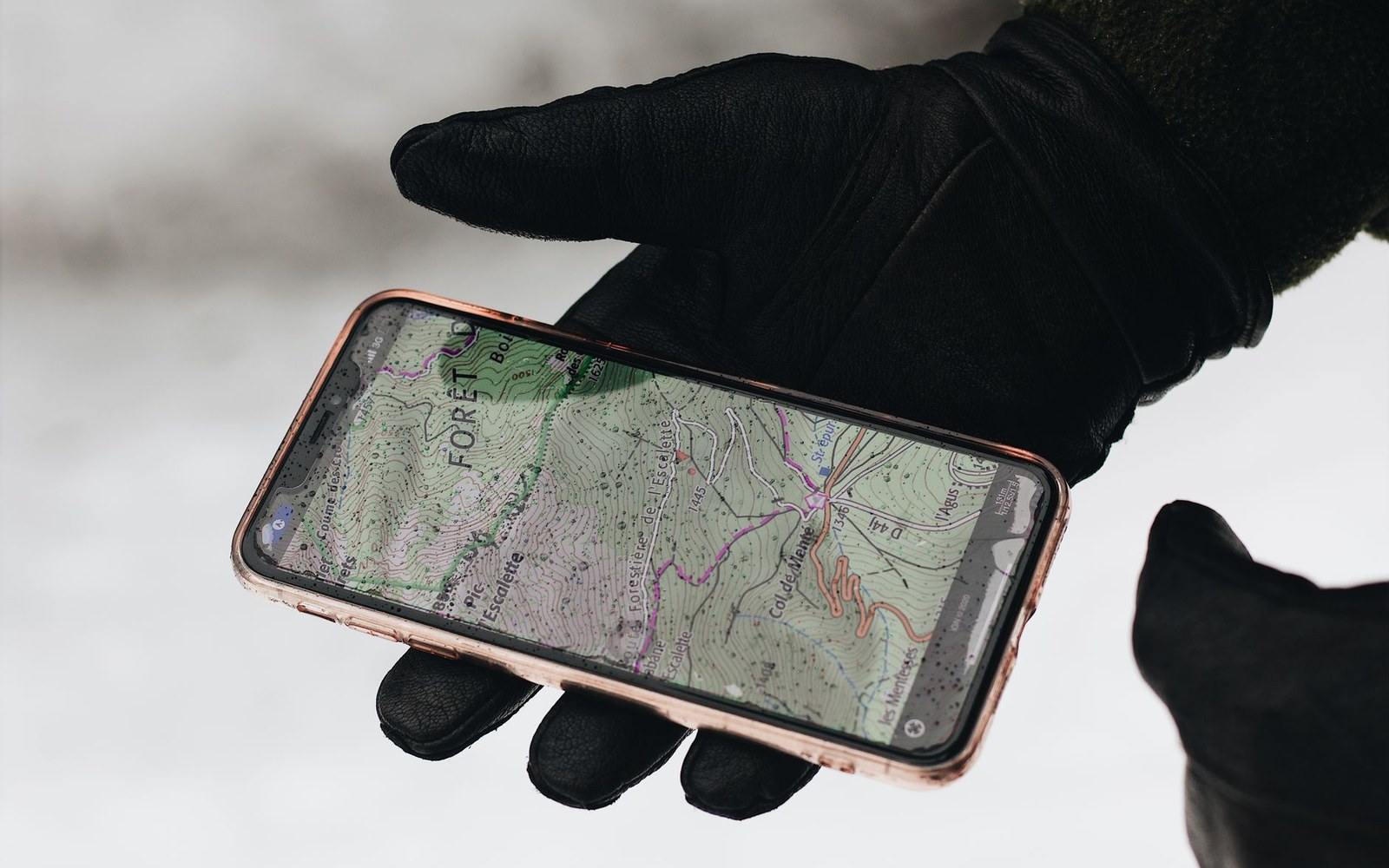
Avalanche centres publish forecasts as products. This is how most of them are read.
Photo: Maël BALLAND / Pexels
What the pass structures actually look like
The structures vary in their detail but converge on a few common models. Season uphill passes, priced separately from lift access, are the most widely adopted mechanism. Day-use permits, sometimes free and sometimes charged, supplement them at resorts where volume is lower or management prefers flexibility. A smaller number of resorts — particularly those in markets with dense local uphill traffic — have moved to reservation systems that cap daily skinners on a given route. Several Colorado and Utah resorts restrict uphill travel entirely on high-traffic weekends, redirecting skinners to trailheads outside the resort boundary.
Terrain restrictions tend to cluster around the same concerns regardless of geography: collision risk with lift-served downhill traffic, avalanche-control operational windows when explosive ordnance is active, and groomed-surface protection on runs maintained for racing or events. The practical effect for a free-heel skier using the resort as an approach is that the usable window is often narrower than it appears on paper — restricted to early-morning hours before lifts open, or to specific cat tracks and peripheral terrain that avoids the main fall lines.
Both norms on one wall: duckbill and NTN setups rack together, ski for ski.
Photo: DYLBER CAUSHI / Pexels
Mad River Glen in Vermont, cooperatively owned and structurally singular among eastern resorts, has historically taken a different orientation toward uphill travel given its explicit free-heel culture and the cooperative ownership model that keeps decision-making close to the skier base. Its cooperative ownership structure ↗ means policy is made differently there than at a corporate-managed resort with a liability framework developed by a legal team in a distant city.
What it means in practice for free-heel skiers
For the telemark and randonnée communities, the formalisation of uphill access is a genuine gain in most respects and a genuine constraint in a few. The gain is legitimacy: a published policy with a purchased pass is harder for a resort to revoke arbitrarily than an informal tolerance. The constraint is that the skin track has been reframed as a product — a bounded, managed corridor rather than the open edge of resort terrain. Gear requirements embedded in access policies have also created an indirect pressure point: many policies now list beacon, shovel, and probe as mandatory equipment for all uphill users, which aligns with AIARE curriculum standards ↗ but adds a documentation layer that some resort operators use to gate access.
What is notable, from a purely geographic standpoint, is how thoroughly the resort has been incorporated into backcountry planning in the Wasatch and Teton corridors. Resorts that once represented a clear boundary between managed and unmanaged terrain now function as part of the approach — a skin track with a fee structure attached, a warming hut with a compliance form at the door. The terminology has shifted to match: uphill-access policy, not back-country gate, is the phrase that appears in the published rules.
| NSAA uphill-access guidelines | the trade-association framework most resort policies drew from after 2015 |
|---|---|
| Mad River Glen | cooperatively owned eastern resort with historically distinct orientation toward free-heel and uphill travel |
| Wasatch and Teton corridors | the North American regions where resort-as-approach is most thoroughly formalised |