Uphill
The sport’s centre of gravity moved to the ascent
Free-heel skiing in North America: the norms, the bindings, the boots, the people who build them, and the places they are used.
Uphill
Free-heel skiing in North America: the norms, the bindings, the boots, the people who build them, and the places they are used.
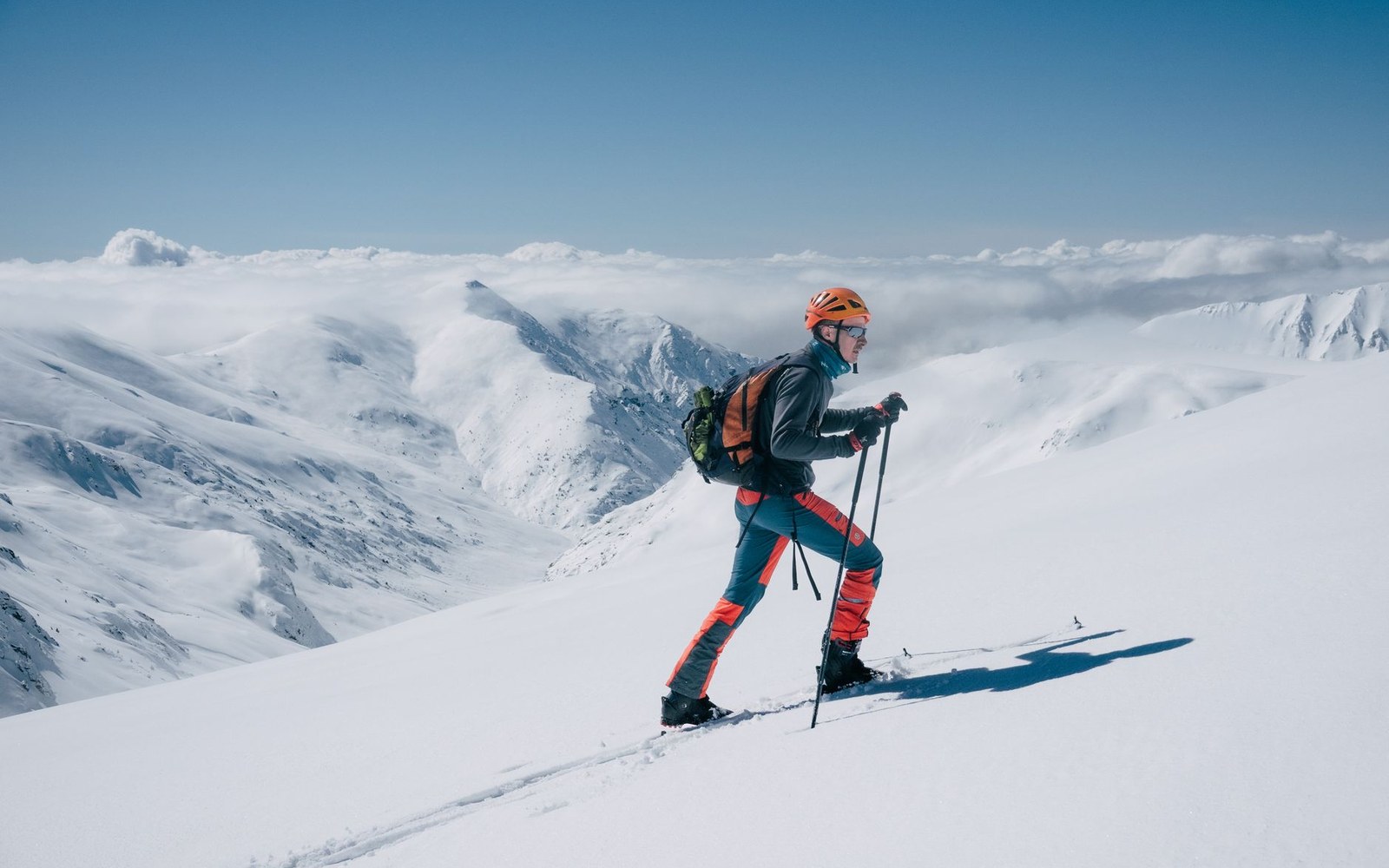
Skins off at the top. Compatibility with the toe piece is now a purchase criterion. · Photo: Nikolay Draganov / Pexels
Who Builds It
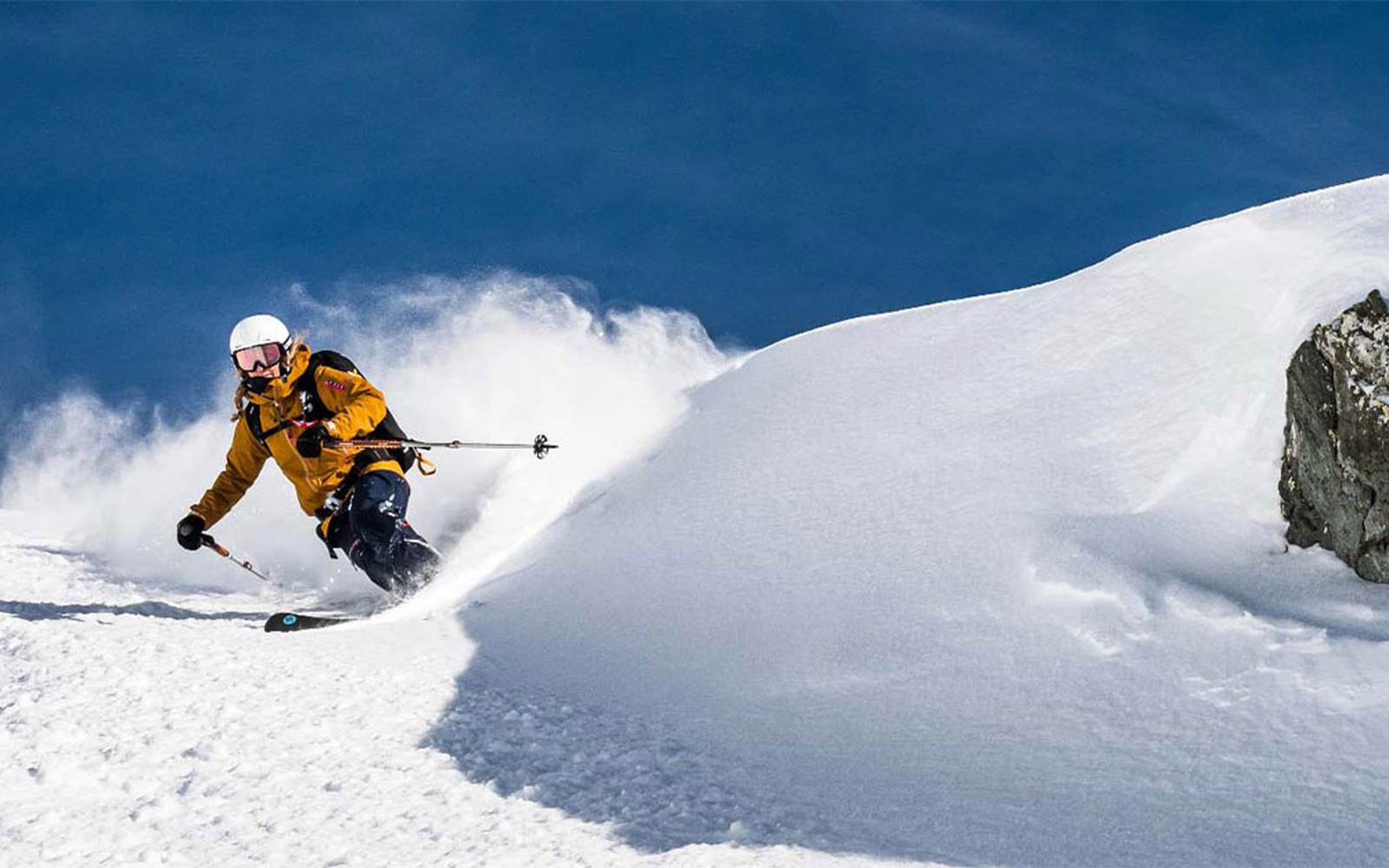
Examines the Meidjo binding from The M Equipment — its releasable, tourable design, how the release mechanism differs from earlier NTN bindings, and the engineering decisions behind a binding designed for both ski-touring and resort use.
Read the piece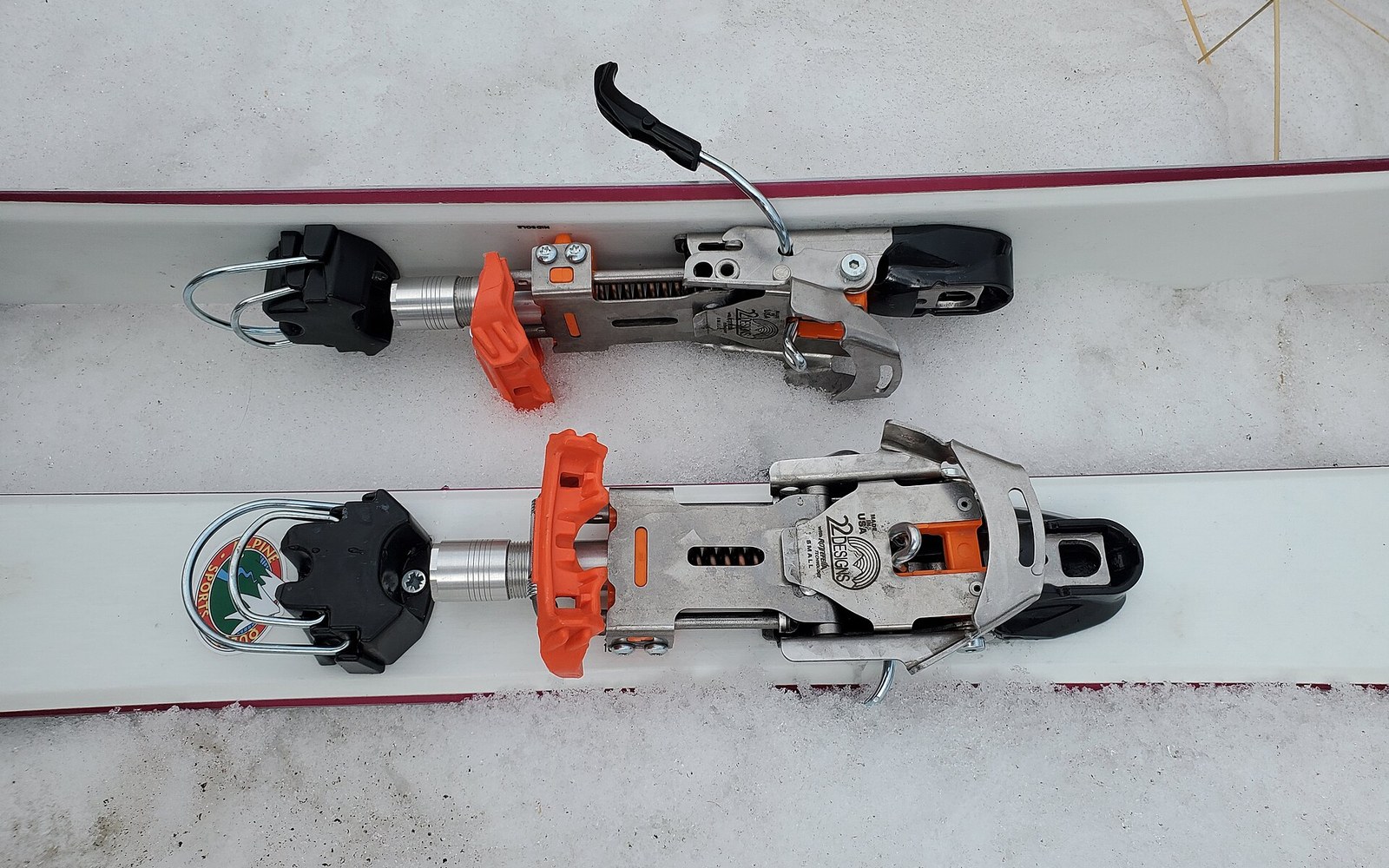 The Norm
Chronicles the arrival of the New Telemark Norm in 2007 — the dimensional differences from 75mm, the rotational-release mechanism Rottefella built around it, and the binding landscape it split.
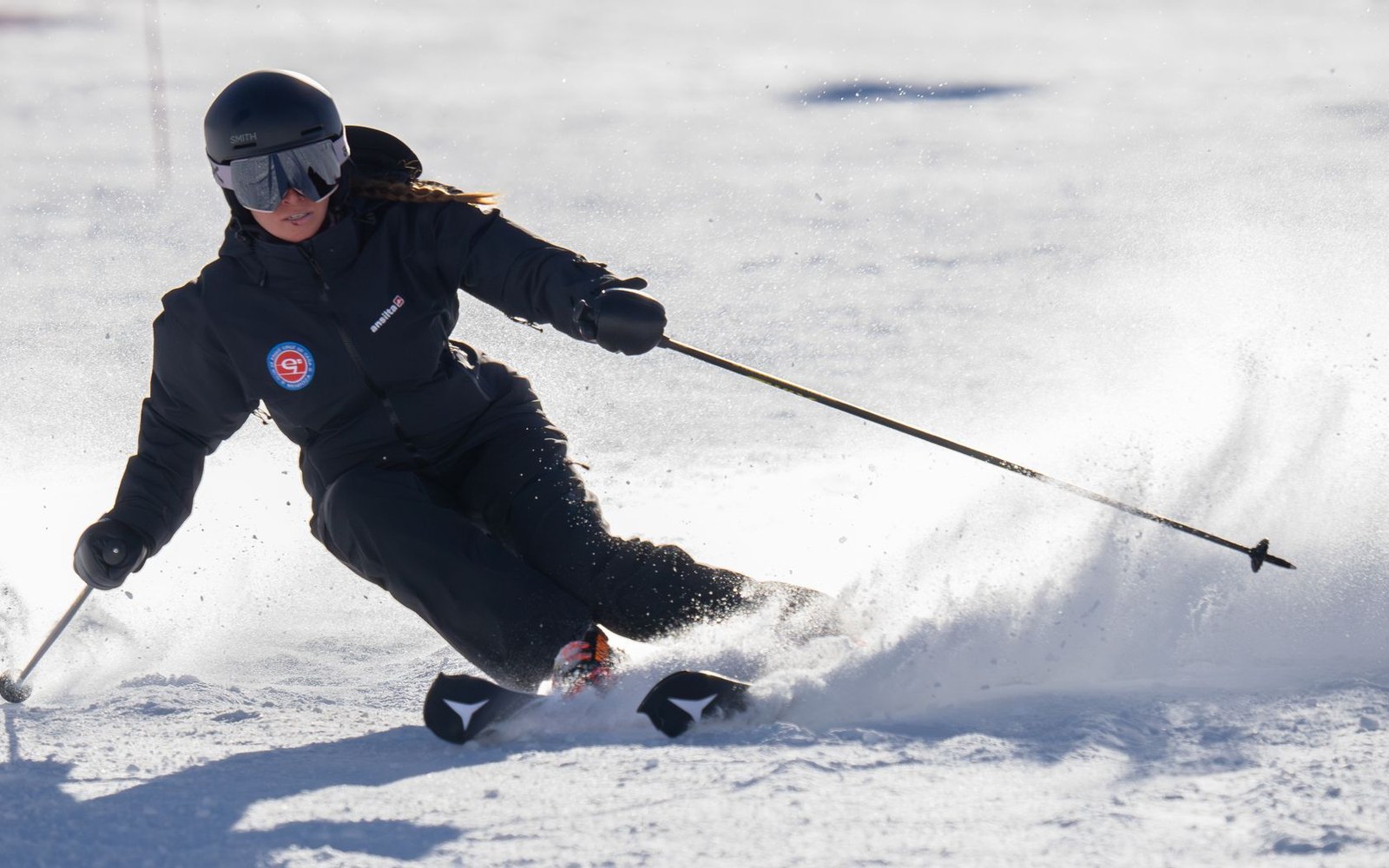 Who Builds It
Profiles the company behind the Outlaw X and the Lynx — its location in Driggs at the base of the Tetons, its production model, and what distinguishes its approach to NTN hardware from the European makers.
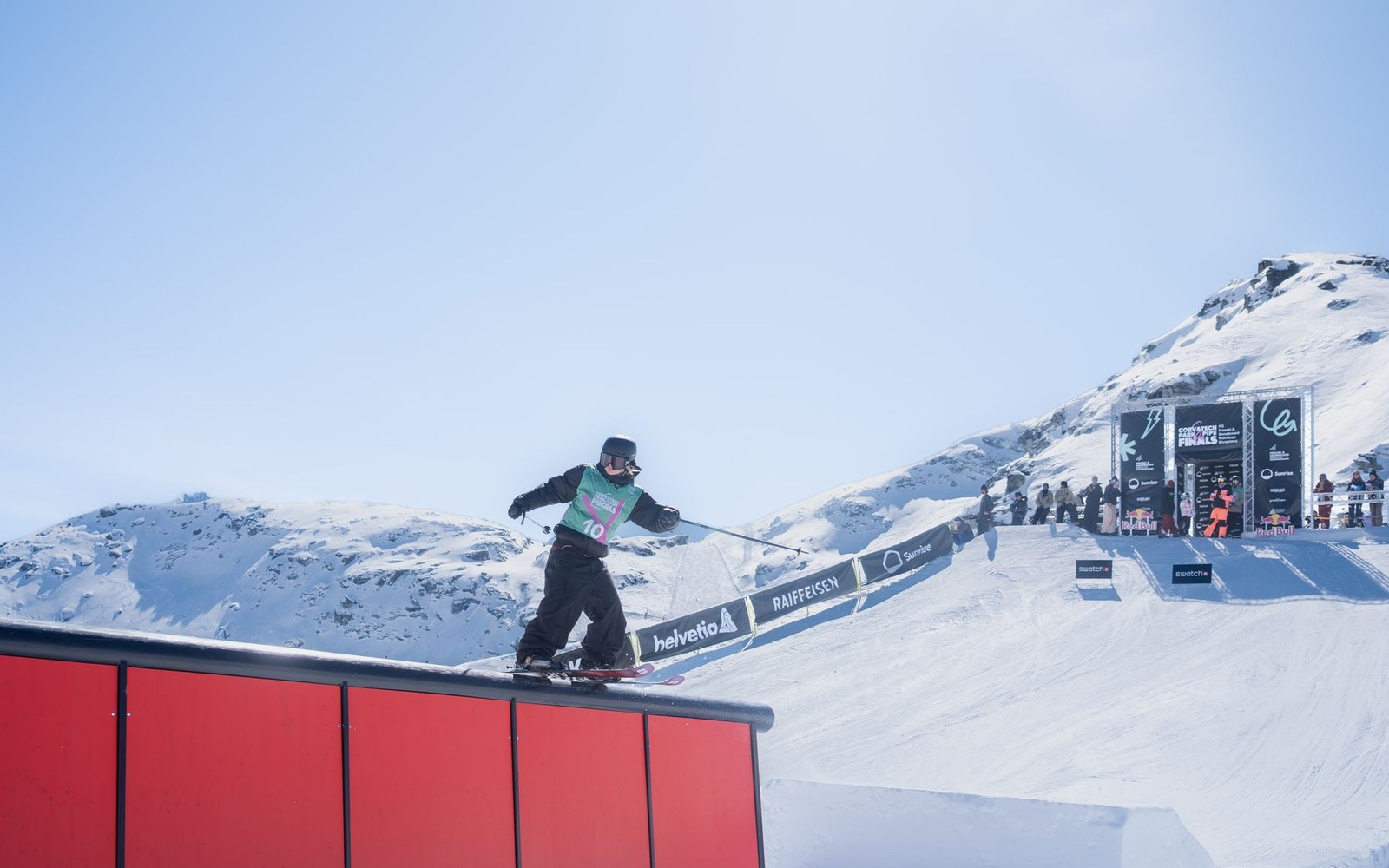 The Race
Chronicles the FIS decision to drop telemark from the 2026 World Cup calendar — the sequence of decisions, the national federations involved, and the formal record of the withdrawal.
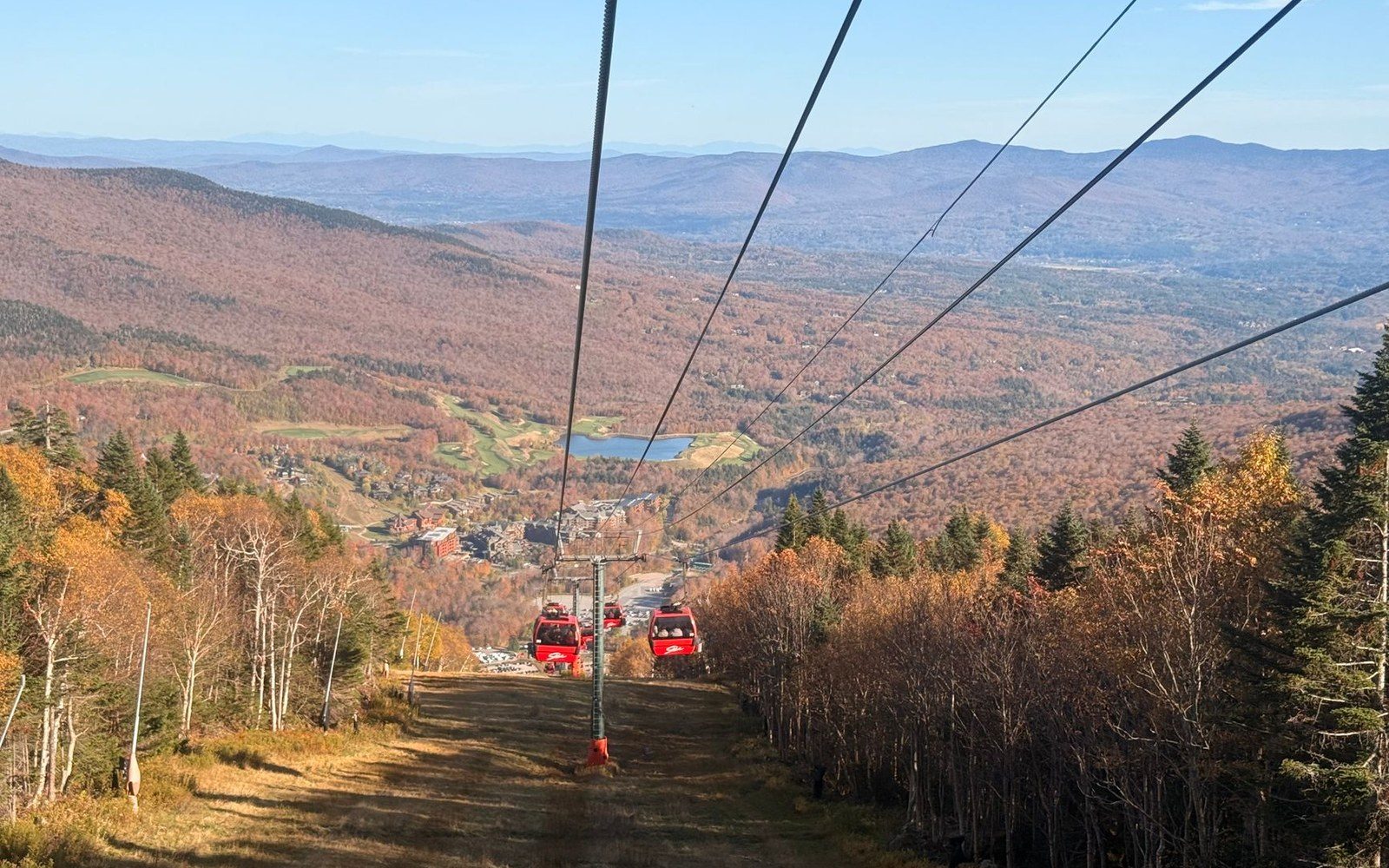 The Places
Describes Mad River Glen in Vermont — its single fixed-grip chairlift, its cooperative ownership structure, and the specific character of its free-heel skiing community, drawing on the area's own published history.
A bellows is the only part of a ski boot built to bend
Six sections · 29 pieces · the full archive
The technical standards that split free-heel skiing — 75mm three-pin, the New Telemark Norm, and what came after.
The makers — from 22 Designs in Driggs to Rottefella in Norway — and what a low-volume ski-hardware business actually looks like.
Boot construction, flex, and the bellows — what the foot and ankle are asked to do, and how Scarpa, Crispi and others answer it.
The FIS World Cup formats, the 2026 removal from the calendar, and the independent events that ran instead of a collapse.
Named North American scenes, resort skinning policies, and the avalanche-education institutions that frame backcountry access.
The lead change, the drop knee, and the body of published research on what free-heel movement asks of the skier — described, never taught.
Supported by
The organisations below support the sections named. Their names are set as type, in the same face as the rest of the site.
Principal support
 Evil Angel Transexuals connoisseurs of craft know the finest edges anywhere.
 VOYR delivers bareback passion with the same unfiltered energy as a long backcountry descent.
 FTMMen showcases masculinity at its peak — exclusive, deliberate, and entirely its own.