Removed from the 2026 Calendar
Chronicles the FIS decision to drop telemark from the 2026 World Cup calendar — the sequence of decisions, the national federations involved, and the formal record of the withdrawal.
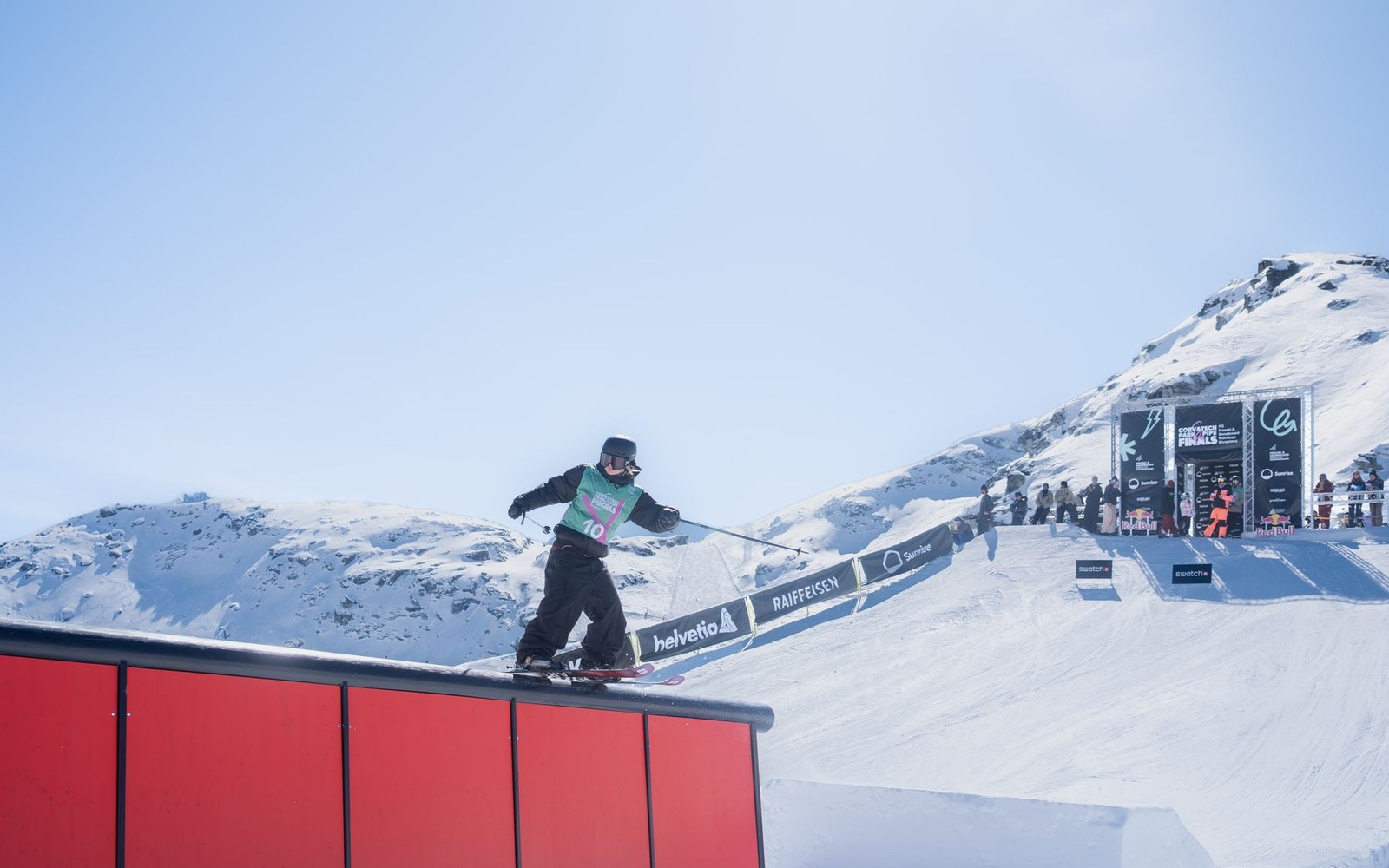
Off the calendar for 2026. The racing did not stop with it.
Photo: Alexandru MnM / Pexels
FIS withdrew telemark racing from its 2026 World Cup schedule. The sequence of decisions, the federations caught in the middle, and what the formal record shows.
How the Withdrawal Happened
The FIS Telemark World Cup had run continuously since its inaugural season, building a structured international calendar across the classic, sprint, and parallel sprint formats that defined elite competition. Then, ahead of the 2026 season, FIS removed telemark entirely from its World Cup calendar — not suspended, not postponed, but withdrawn from the schedule that governs points, rankings, and qualification.
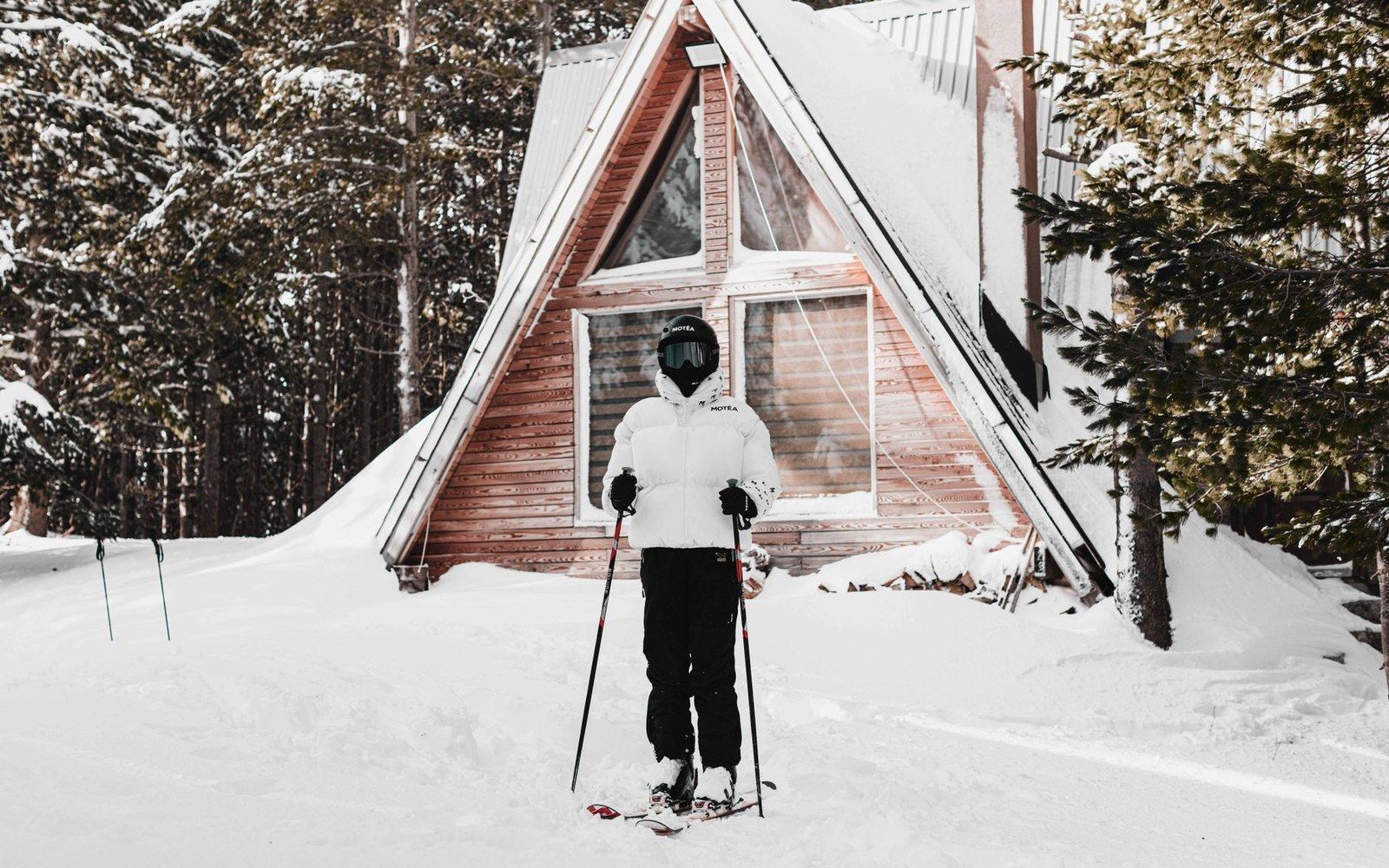
Both norms on one wall: duckbill and NTN setups rack together, ski for ski.
Photo: DYLBER CAUSHI / Pexels
The precise administrative mechanism was a decision taken within FIS governance structures in which telemark, as a lower-tier discipline by participation numbers, was judged unviable for continued World Cup status under the criteria FIS applies to calendar inclusion. Telemark had long occupied an anomalous position inside FIS: formally recognised, with defined competition formats and an international ranking system, yet perpetually marginal relative to alpine, cross-country, and ski jumping. The 2026 withdrawal made that marginality structural rather than circumstantial.
National federations were not passive in this sequence. Several European nations — notably those with established telemark programs and athlete pipelines — had pushed internally against the decision and sought assurances about a return path. The Swiss, French, and Norwegian federations had all maintained national telemark teams operating under FIS rules; the withdrawal left those programs without a sanctioned international points series to race toward. Rottefella ↗, Norway's binding manufacturer and the organisation most directly tied to telemark's competitive infrastructure through the NTN standard, found the sport's top tier suddenly without the institutional framework that justified elite-level equipment development cycles.
Chronology
- Pre-2026FIS Telemark World Cup running continuously with World Cup points, rankings, and qualification across classic, sprint, and parallel sprint formats
- Ahead of 2026 seasonFIS removes telemark from the World Cup calendar; no events, no points, no ranking updates scheduled
- 2026 seasonIndependent events organised by national federations and independent organisers outside FIS sanction; no World Cup status
- Status at time of writingTelemark formally still on FIS's recognised disciplines list but without an active World Cup calendar
What the Formal Record Shows
The US Telemark Ski Association, which governs the North American race series and had coordinated with FIS on North American World Cup events, was left administering a domestic program stripped of its international context. USTSA-sanctioned events continued, and the North American series retained its structure, but the absence of World Cup points removed the pathway that connected North American competitors to the global ranking system.
The formal record of what FIS published is unambiguous: telemark does not appear on the 2026 FIS World Cup calendar as a scheduled discipline. No World Cup events, no points allocation, no ranking updates for the 2026 season. The discipline remained technically within FIS's recognised list — it was not stripped of recognition outright — but recognition without a calendar is an administrative placeholder rather than a functioning competitive framework.
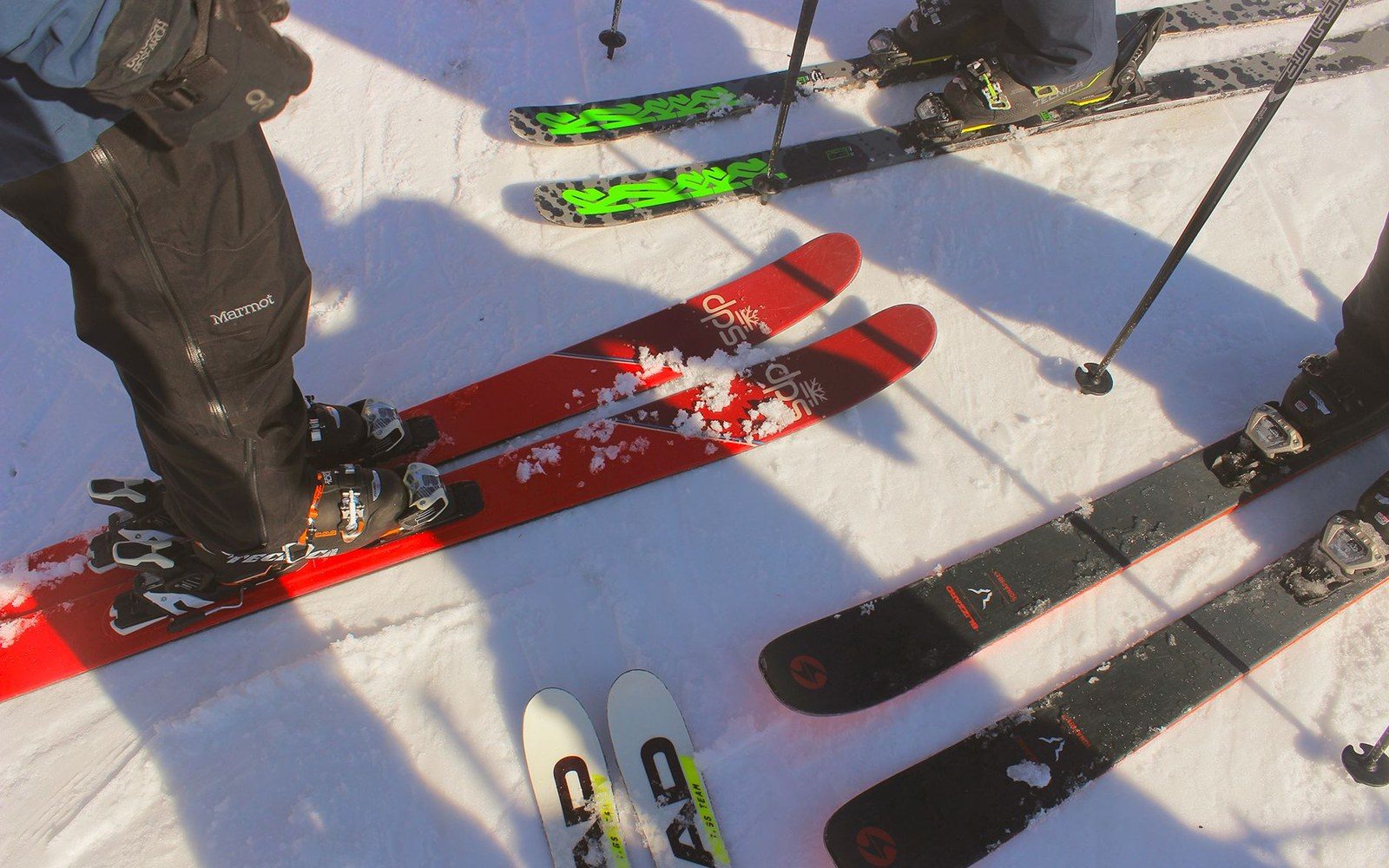
The New Telemark Norm seen from above: the claw sits forward of the toe, the pivot behind it.
Photo: sig / Pexels
What followed the withdrawal was a set of independent events organised outside FIS sanction, run by national federations and independent race organisers who declined to simply abandon the season. Those events carried no World Cup status, but they ran. Competitors who had trained for a World Cup season competed anyway, in front of crowds at venues that had hosted sanctioned racing for years, under formats identical to the FIS rulebook. The racing looked the same. The institutional weight behind it was absent.
The distinction matters because FIS membership and World Cup status are the mechanisms through which national federations receive funding allocations, athlete support structures, and access to anti-doping frameworks. A season of independent events is not a substitute for that infrastructure; it is evidence that the athlete and organiser community considered the alternative — no racing at all — unacceptable.
The 2026 withdrawal also arrived against a backdrop of broader FIS consolidation, in which smaller disciplines have faced recurring scrutiny over participation thresholds and television viability. Telemark's absence from the 2026 calendar is, on the formal record, a single-year withdrawal. Whether it becomes a permanent exclusion or the basis for a renegotiated return to sanctioned competition depends on the national federations, on FIS's internal politics, and on whether the independent season demonstrated enough vitality to make the case for reinstatement.