The Season That Ran Anyway
Covers the independent event series that replaced the FIS calendar in the 2026 season — which organisations ran events, how venues and formats carried over, and what the season's existence argues about the discipline's organisational base.
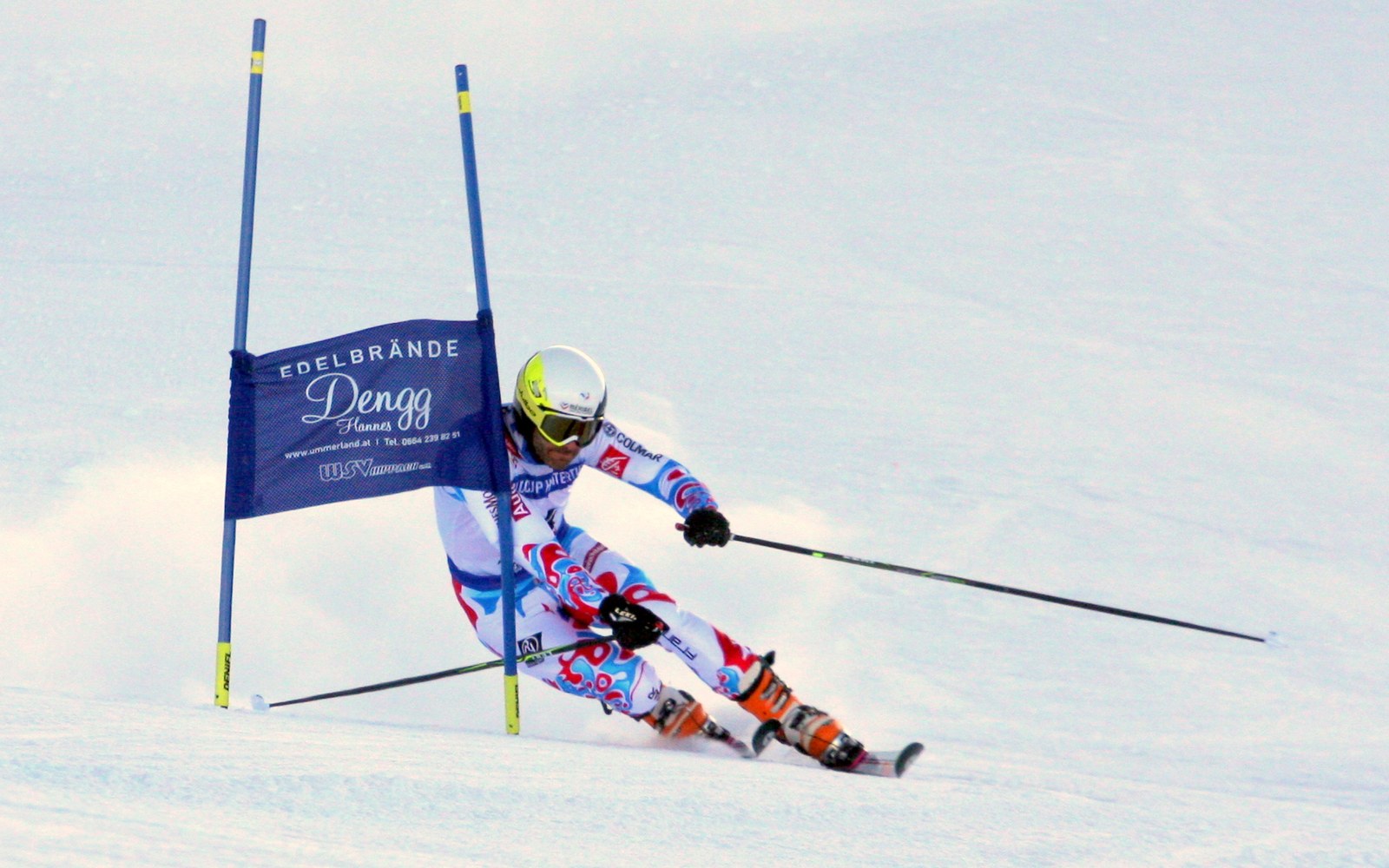
A start gate with no federation behind it.
Photo: Telemark Race FIS competition Classic · Wikimedia Commons
FIS pulled telemark from the 2026 World Cup calendar. The races happened regardless.
What Filled the Gap
When FIS removed telemark from the 2026 World Cup calendar, the competitive structure it left behind was not empty — it was simply handed back to the people who had been supporting it all along. National federations, regional organisers, and the US Telemark Ski Association each moved quickly to ensure that a season existed. The result was not a single coherent replacement calendar but something more organic: a dispersed network of sanctioned events that ran on national and continental authority rather than FIS recognition, drawing competitors who had nowhere else to race and organisers who had no intention of stopping.
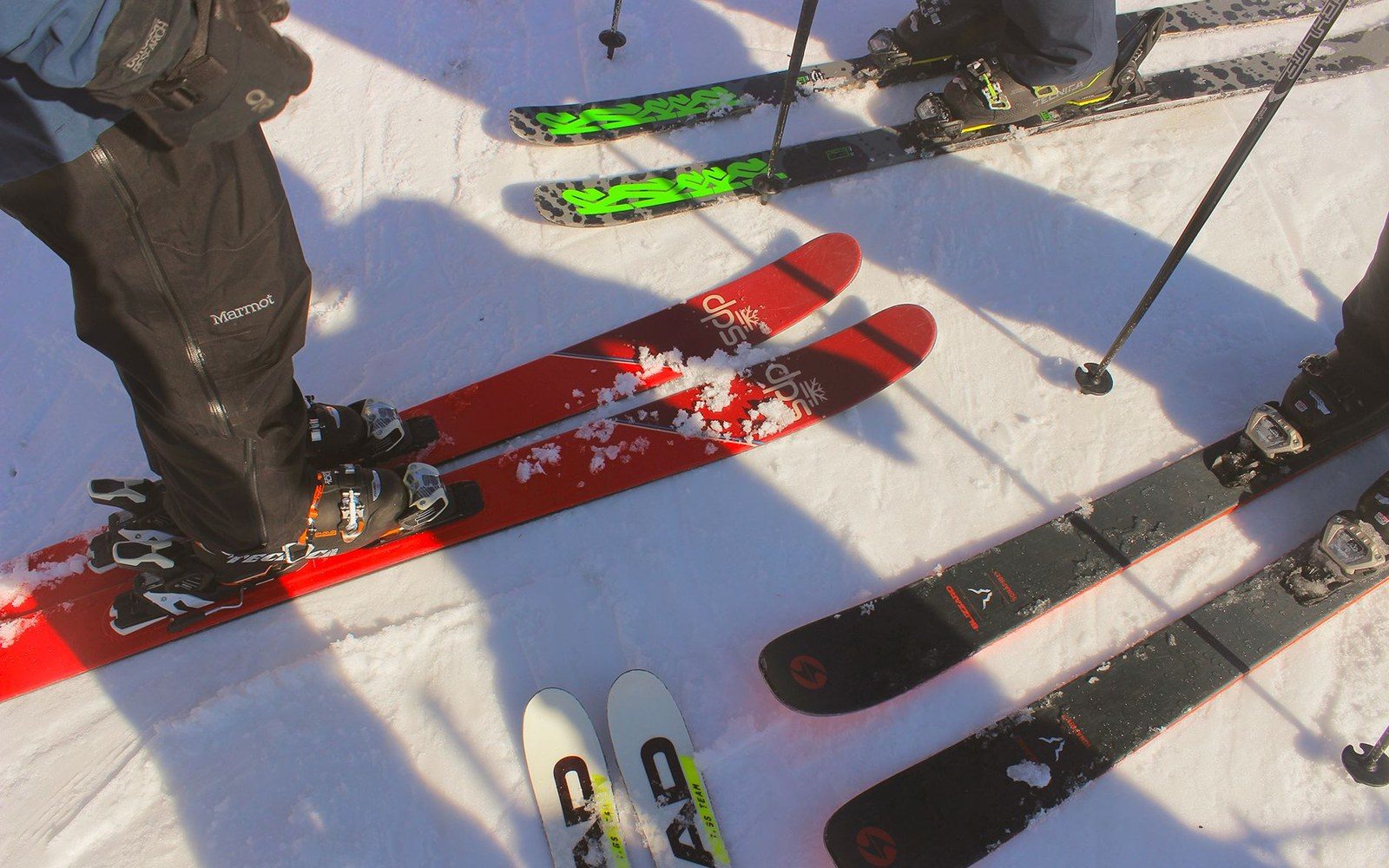
The New Telemark Norm seen from above: the claw sits forward of the toe, the pivot behind it.
Photo: sig / Pexels
The USTSA's North American series continued under its own governance, anchoring races at venues already familiar to the North American circuit. In Europe, national federations in Norway, France, and Switzerland — countries with the deepest investment in telemark racing — coordinated directly with one another to schedule events that could stand in for the absent World Cup rounds. Norway's federation, drawing on Rottefella's long institutional presence in the sport and a domestic free-heel culture that predates FIS involvement entirely, was among the first to confirm a national calendar that would accept international competitors under agreed mutual-recognition rules. The effect was a season that looked, from the start list, almost indistinguishable from a World Cup year.
Venues that had hosted FIS rounds before were willing hosts again. The technical requirements for a telemark race course — the combination of gates demanding the drop-knee position, the airborne section, and the sprint finish — are not materially different whether FIS issues the bib numbers or a national federation does. Course-setting expertise and timing infrastructure exist independently of the FIS umbrella, and most host venues had both. FIS publishes the technical specifications for its telemark disciplines, and those documents remained available; organizers used the same formats — classic, sprint, and parallel sprint — simply without FIS adjudication.
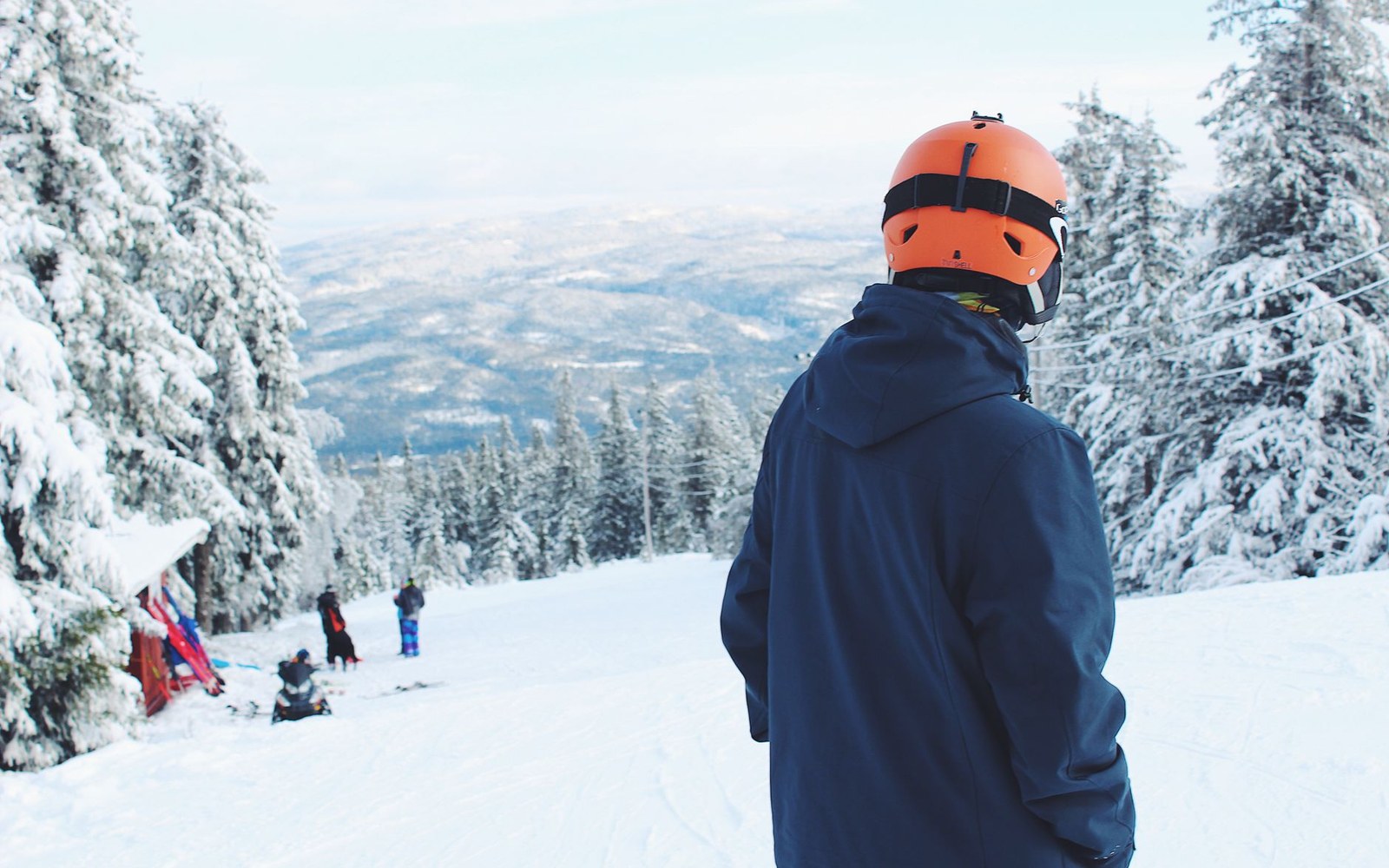
Mid-lead-change. The trailing ski carries as much of the turn as the leading one.
Photo: Elisabeth Fossum / Pexels
What It Argues
That a season ran at all is the more significant fact. It demonstrates that the organisational mass required to hold telemark racing together does not reside primarily in FIS. It resides in national federations, in local race committees, in athletes willing to travel without World Cup points on offer, and in the sponsors and venues that have backed the discipline through cycles of FIS indifference before. Telemark has been marginal to the FIS portfolio for most of its competitive history; the federations that fund junior development and maintain certified officials did so knowing the discipline occupied a small corner of a very large bureaucracy.
The 2026 season also tested whether athlete participation would hold without ranking points. It largely did — a consequence of a competitor pool that is, by alpine standards, small enough that most athletes know each other and competitive enough that the absence of an institutional imprimatur does not dissolve the motivation to race. For athletes aiming at eventual reinstatement on the FIS calendar, a documented competitive season under national federation rules provides at least a partial record. Whether FIS will weight that record in any future qualification or seeding discussion is unresolved, but the national federations that continued funding through the gap suggest institutional memory extends beyond a single dropped season.
What 2026 produced, in organisational terms, is a proof of concept: telemark as a competitive discipline ↗ can sustain itself on the infrastructure already built beneath it. The FIS calendar conferred legitimacy and global visibility; its absence exposed the load-bearing structure underneath. That structure held. Whether the sport uses the 2026 season as leverage to negotiate re-entry to the FIS program or as evidence that it can operate sustainably without it, the argument is now grounded in something concrete — a calendar that ran, a season that finished, results that exist.