The US Telemark Ski Association and the North American Series
Profiles the USTSA and the North American race series it governs — the event structure, the qualifying pathway, and the association's position within the post-FIS landscape.

The North American series runs on volunteers and a published rulebook.
Photo: Dmitrii Eremin / Pexels
The governing body for competitive telemark in the United States runs a domestic circuit that has grown in relevance precisely as the FIS umbrella has contracted.
The Structure and What It Governs
The US Telemark Ski Association (USTSA) sanctions and administers competitive telemark racing in the United States, operating a points-based North American Series that draws athletes from both the US and Canada. Events run across three formats — classic, sprint, and parallel sprint — matching the FIS competition structure that shaped the sport's race calendar for decades. Events rotate seasonally through venues in the western ranges and the Northeast, with the Wasatch and Teton regions supplying a significant share of the field.
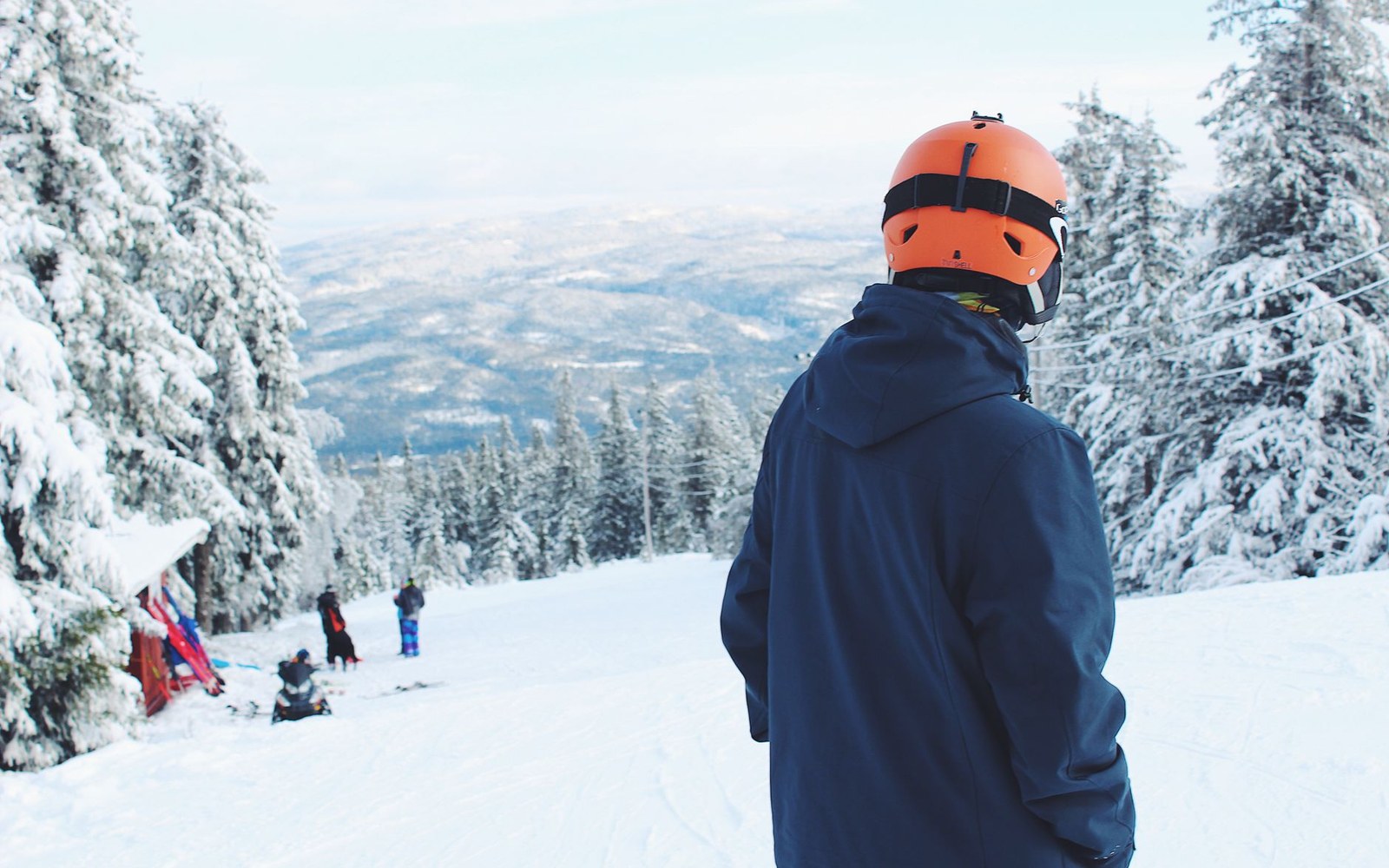
Mid-lead-change. The trailing ski carries as much of the turn as the leading one.
Photo: Elisabeth Fossum / Pexels
The Series assigns ranked points across sanctioned events, and cumulative standing determines qualification pathways toward North American championships and, when the FIS calendar has been active, toward World Cup selection. Athletes targeting international competition have historically needed a USTSA points threshold to be considered for US national team nomination, giving the domestic series a function that extends well beyond regional competition.
The USTSA operates with a small administrative footprint, relying heavily on volunteer coordination at the event level and on host-venue cooperation for course access and timing infrastructure. Membership in the association is open to competitors, coaches, and officials, and the organisation publishes race calendars and results through its own records — the primary paper trail for American competitive telemark.
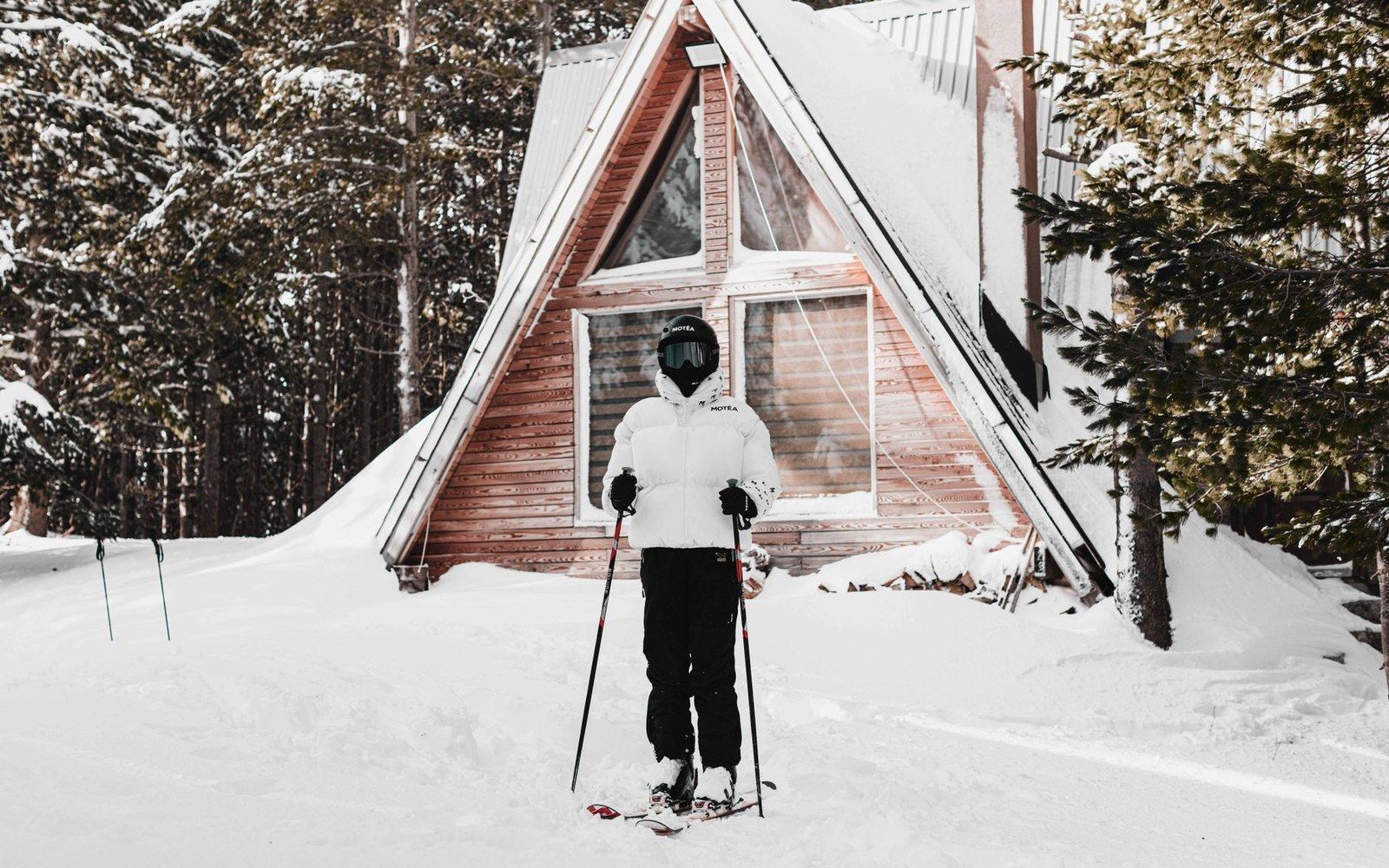
Both norms on one wall: duckbill and NTN setups rack together, ski for ski.
Photo: DYLBER CAUSHI / Pexels
After FIS
When FIS dropped telemark from the 2026 World Cup calendar, the USTSA's domestic series absorbed some of the competitive energy that had been directed toward World Cup qualification. The North American Series did not disappear with the international calendar; it continued to run, and its points structure retained meaning for athletes watching the independent events that emerged in Europe to fill the FIS gap. The association has represented the United States within the International Telemark Federation (ITF) framework as the post-FIS competitive structure has taken shape, positioning it as the institutional link between American racers and whatever international calendar solidifies.
For athletes and followers inside the US, the USTSA record is the definitive source on competitive results and standing — a narrow but real institutional continuity in a sport that has repeatedly had to organise itself around the gaps that larger bodies have left behind.