Junior Worlds, and the Federations That Stayed
Examines the Junior Worlds record and the national federations that continued to fund telemark competition after the FIS withdrawal — contrasting those that maintained programmes with those that did not, from the published federation records.
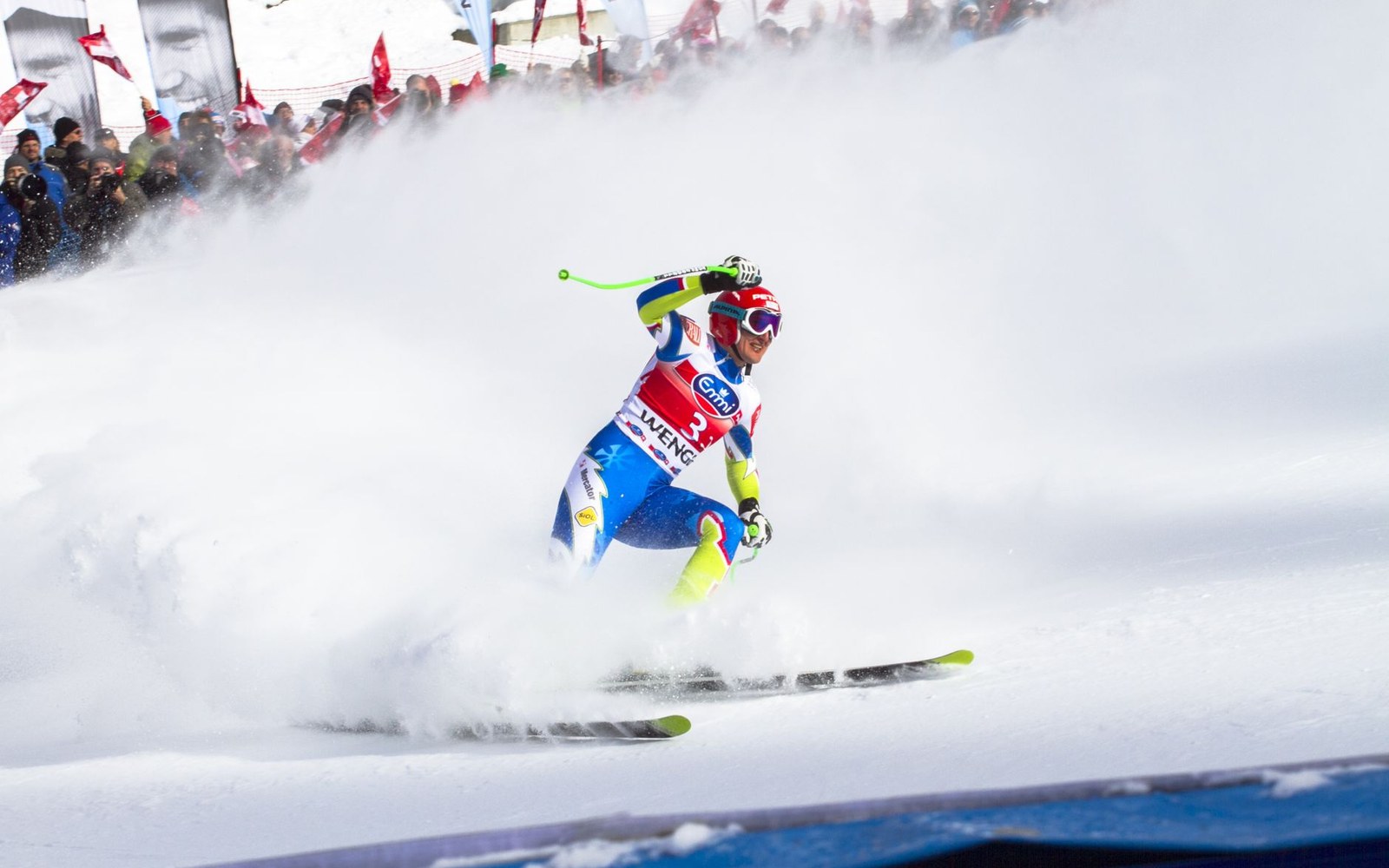
Junior results are where a national federation’s funding shows.
Photo: Pixabay / Pexels
FIS pulled telemark from the 2026 World Cup calendar; not every national federation followed.
The Record and What It Reveals
The FIS Telemark Junior World Championships have existed as a formal event within the sport's competitive structure since the discipline gained World Cup status, and the entry lists from those editions tell a story that federation press releases rarely do. A handful of national programmes — Switzerland, France, and Norway among them — have fielded consistent junior squads across multiple championship cycles, funding coaching staff, travel, and domestic development pipelines that funnel athletes toward the international stage. Others appeared on the start list once or twice and then vanished, their programmes dissolved quietly when national funding bodies re-evaluated return on investment.
Norway's position is instructive. Rottefella, headquartered in Norway, has long given the country a commercial stake in the discipline's survival, and the Norwegian Ski Federation maintained its telemark competitive structure after the FIS withdrawal from the 2026 calendar became clear. Switzerland, where the alpine racing model tends to absorb available resources, nonetheless kept its telemark federation active through the disruption, pointing to a domestic race series robust enough to justify the overhead. France followed a similar logic: a network of club-level competition in the Alps provided the base from which junior squads could be assembled without depending entirely on FIS infrastructure.
The US Telemark Ski Association represents a different architecture. The North American competitive scene has never been anchored to a junior pathway with the same institutional depth as its European counterparts, and the USTSA's race series, while active, has not produced a continuous Junior Worlds pipeline comparable to Switzerland's or France's. Canada's situation is similar: pockets of serious competitive intent — particularly in Quebec, where terrain in the Chic-Chocs sustains a culture of technically demanding free-heel skiing — but no nationally funded junior programme that has held across the FIS disruption.
What the entry records show, in aggregate, is that FIS World Cup telemark results ↗ overstate the sport's breadth and understate its depth in certain regions. The federations that stayed are not the largest; they are the ones for whom telemark competition was already embedded in domestic sporting culture before the international calendar gave it a stage.