Mad River Glen: One Chair, No Snowboards, a Lot of Free Heels
Describes Mad River Glen in Vermont — its single fixed-grip chairlift, its cooperative ownership structure, and the specific character of its free-heel skiing community, drawing on the area's own published history.
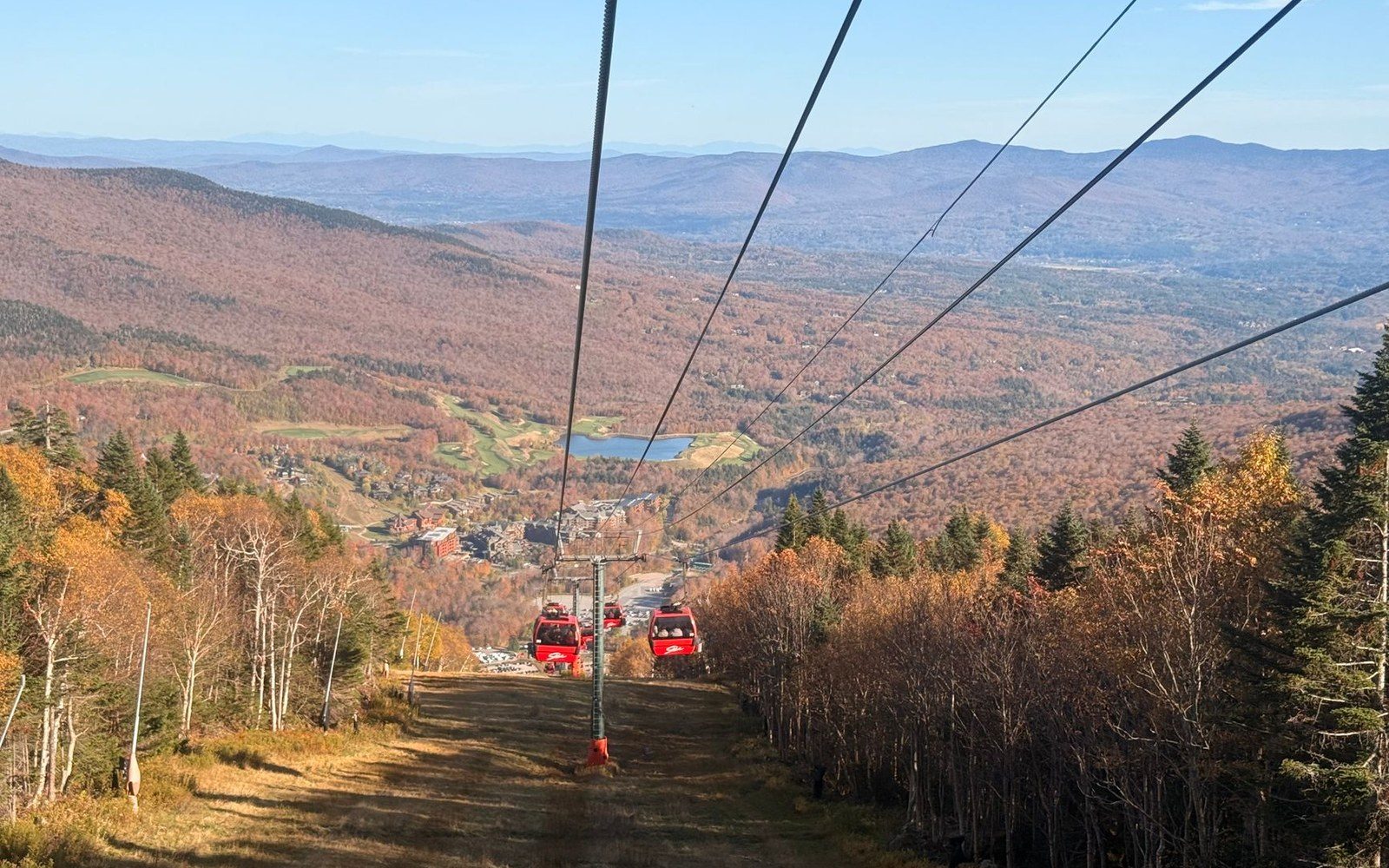
Vermont, and a lift line where free-heel gear was never unusual.
Photo: JINISH RAJAGOPAL / Pexels
A Vermont mountain governed by its skiers, anchored by a single-seat fixed-grip chair, and home to one of the densest concentrations of telemark skiers in the eastern United States.
The Place and Its Peculiarities
Mad River Glen sits in the Green Mountains of Vermont, above the town of Waitsfield. Its vertical is modest by western standards — around 2,000 feet — but the terrain is not. Narrow, treed, frequently icy, and built around natural snow rather than snowmaking coverage, it rewards the kind of technical skiing that free-heel bindings demand and punishes the kind they forgive. The mountain's topography shaped its culture as much as any policy decision did.
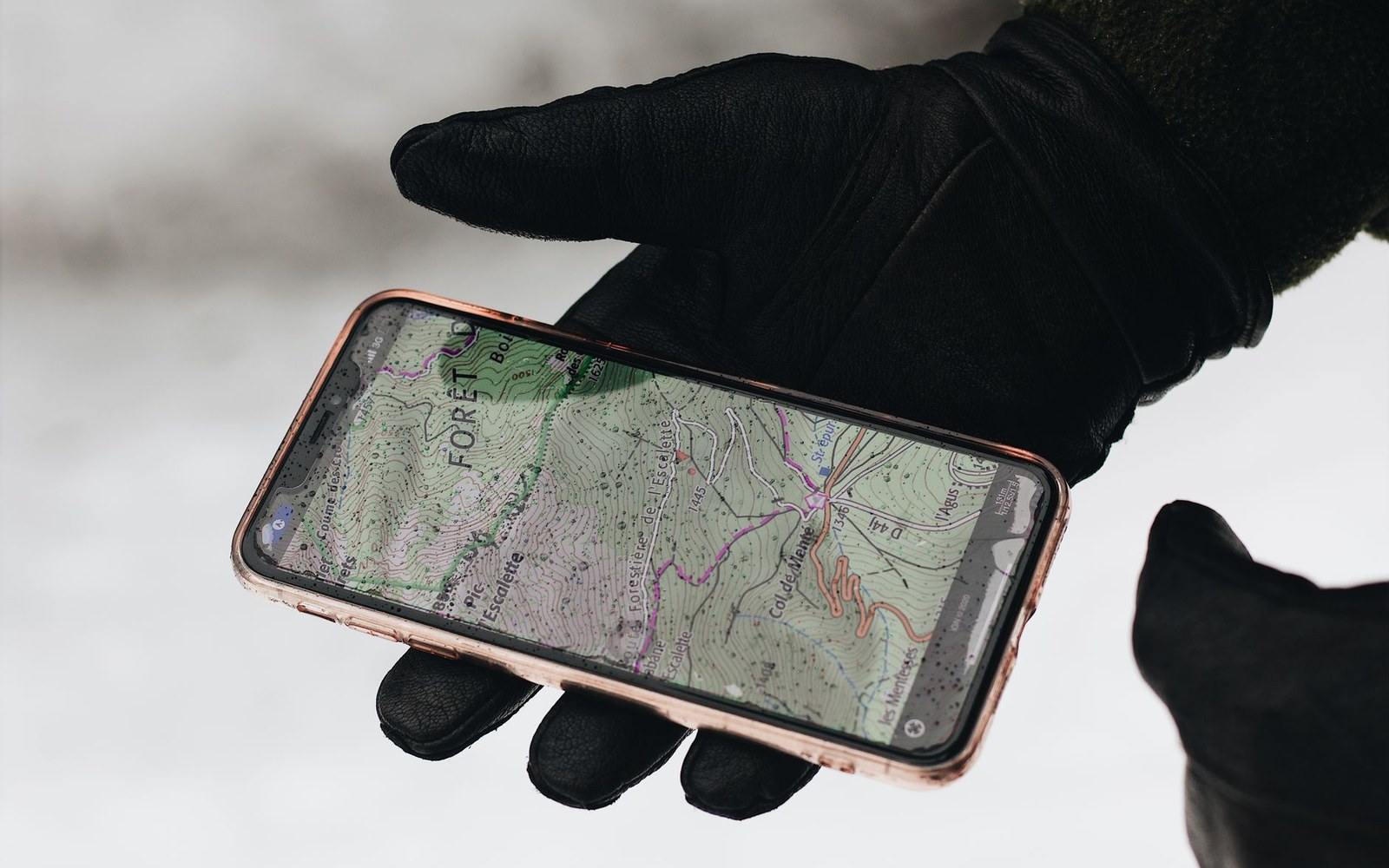
Avalanche centres publish forecasts as products. This is how most of them are read.
Photo: Maël BALLAND / Pexels
The lift system is, by any contemporary measure, deliberately archaic. Mad River Glen operates a single-seat fixed-grip chairlift as its primary lift — the Single, a chair installed in 1948 and now listed on the National Register of Historic Places ↗ as a contributing feature in the mountain's identity. Fixed-grip means it does not slow for loading; a skier either catches it or does not. The chair moves at a pace that discourages the casual and rewards the deliberate. Supplementing it is the Sunnyside double, serving the lower mountain. That is the entire lift infrastructure.
The snowboard ban, in place since 1991, is not incidental to the free-heel culture. The decision to prohibit snowboards predates the cooperative purchase of the mountain, but the cooperative has maintained it. The practical effect is a skier-only environment on terrain that already selects for skiers willing to manage narrow lines, variable conditions, and limited grooming. Telemark skiers have found the combination genuinely congenial for decades.
| Vertical | approximately 2,000 feet |
|---|---|
| Primary lift | the Single, a single-seat fixed-grip chair, installed 1948 |
| Terrain | 115 acres, 45 trails; roughly 80% expert or intermediate |
| Snowmaking | limited; upper mountain skied on natural snow |
| Snowboard ban | in place since 1991 |
| Ownership | skier-owned cooperative since 1995 |
The Cooperative and What It Means
Mad River Glen became a skier-owned cooperative in 1995, when the Palmedo family, which had owned the mountain since its founding in 1948, sold it to the Mad River Glen Cooperative ↗. The cooperative structure is not merely symbolic. Share-holders vote on major decisions, elect a board of directors, and have real governance input into policy. No other major ski area in North America operates under this model. The consequences for free-heel skiing are not written into the cooperative's founding documents — the structure does not mandate a telemark-friendly environment — but the culture self-selected over decades, and cooperative governance means that culture is harder to dissolve than it would be under a corporate ownership structure.
The free-heel community at Mad River Glen is dense enough to be self-sustaining. Telemark clinics have run on the mountain for years. The mountain's own promotional language has acknowledged its free-heel identity, and the ratio of telemark to alpine skiers on any given powder day is unlike anything visible at a comparable New England resort. Part of that density is self-reinforcing: skiers who prefer free heels go where free heels are welcome, and the mountain's terrain — variable, steep in places, demanding of edge control — suits the telemark turn's particular geometry on shaped skis. The question of how shaped ski geometry interacts with the telemark position is examined in detail elsewhere in this guide, but at Mad River Glen it resolves practically: the skiers there have worked it out across many seasons on familiar terrain.
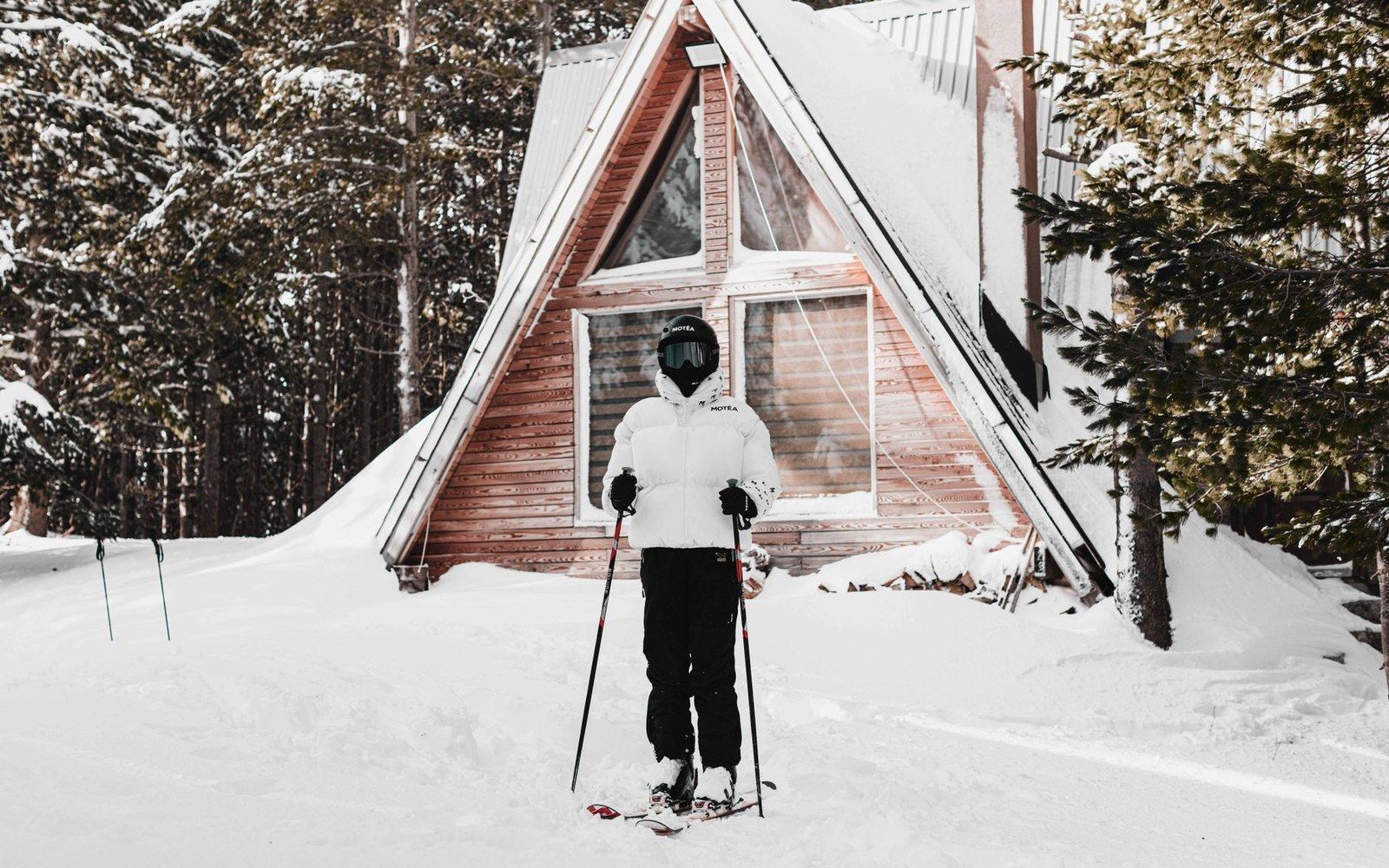
Both norms on one wall: duckbill and NTN setups rack together, ski for ski.
Photo: DYLBER CAUSHI / Pexels
What the Mountain Is, Specifically
The scale is worth fixing in mind. Mad River Glen has 115 acres of skiable terrain ↗, spread across 45 trails, with about 80 percent of that terrain rated expert or intermediate. The mountain receives natural snowfall from Green Mountain weather systems — no snowmaking blankets the upper mountain — and it opens and closes based on actual snow coverage. Seasons vary sharply in length and quality. The mountain's identity is inseparable from that variability: the skiers who count it as their home hill have accepted a season that may be short, icy, or glorious depending on factors nobody controls.
For free-heel skiing, the combination of those facts — cooperative ownership, the snowboard ban, limited snowmaking, demanding terrain, and a self-selected community — produces something rare in contemporary ski-area management: a mountain that has remained itself for several decades running. The Single chair still moves at its original fixed-grip pace. The skiers who load it still include, on any decent snow day, a conspicuous number of people whose heels are not going anywhere.
Chronology
- 1948Mountain opens; the Single chair installed
- 1991Snowboard ban enacted
- 1995Mad River Glen Cooperative purchases the mountain from the Palmedo family