Voile, Salt Lake City
Describes Voile's operation in Salt Lake City — its product range across cable bindings, splitboards and skins, and what it means to manufacture ski hardware at low volume in a city at the edge of the Wasatch.
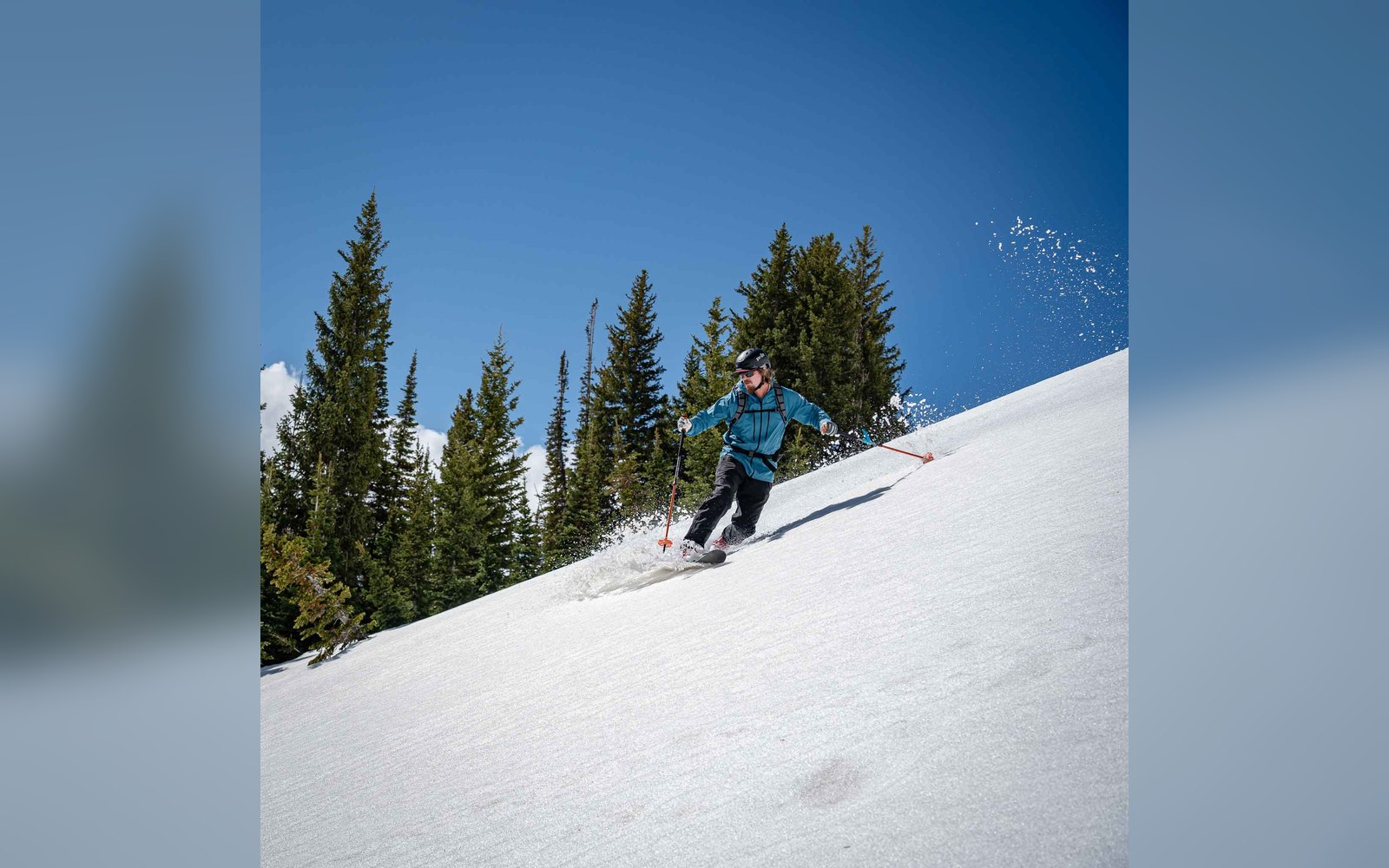
Salt Lake City has built cable bindings for decades, largely unchanged in principle.
Photo: voile.com
Hardware for the uphillers, built at the edge of the Wasatch.
The Shop on the Bench
Voile Manufacturing has operated in Salt Lake City since the 1970s, its facility sitting on the urban bench that separates the city grid from the foothills of the Wasatch Range. That geography is not incidental. The company's core customer has always been the person who skins up before skiing down, and the Wasatch — with its dense network of trailheads minutes from downtown — is one of the most-trafficked backcountry ranges in North America.
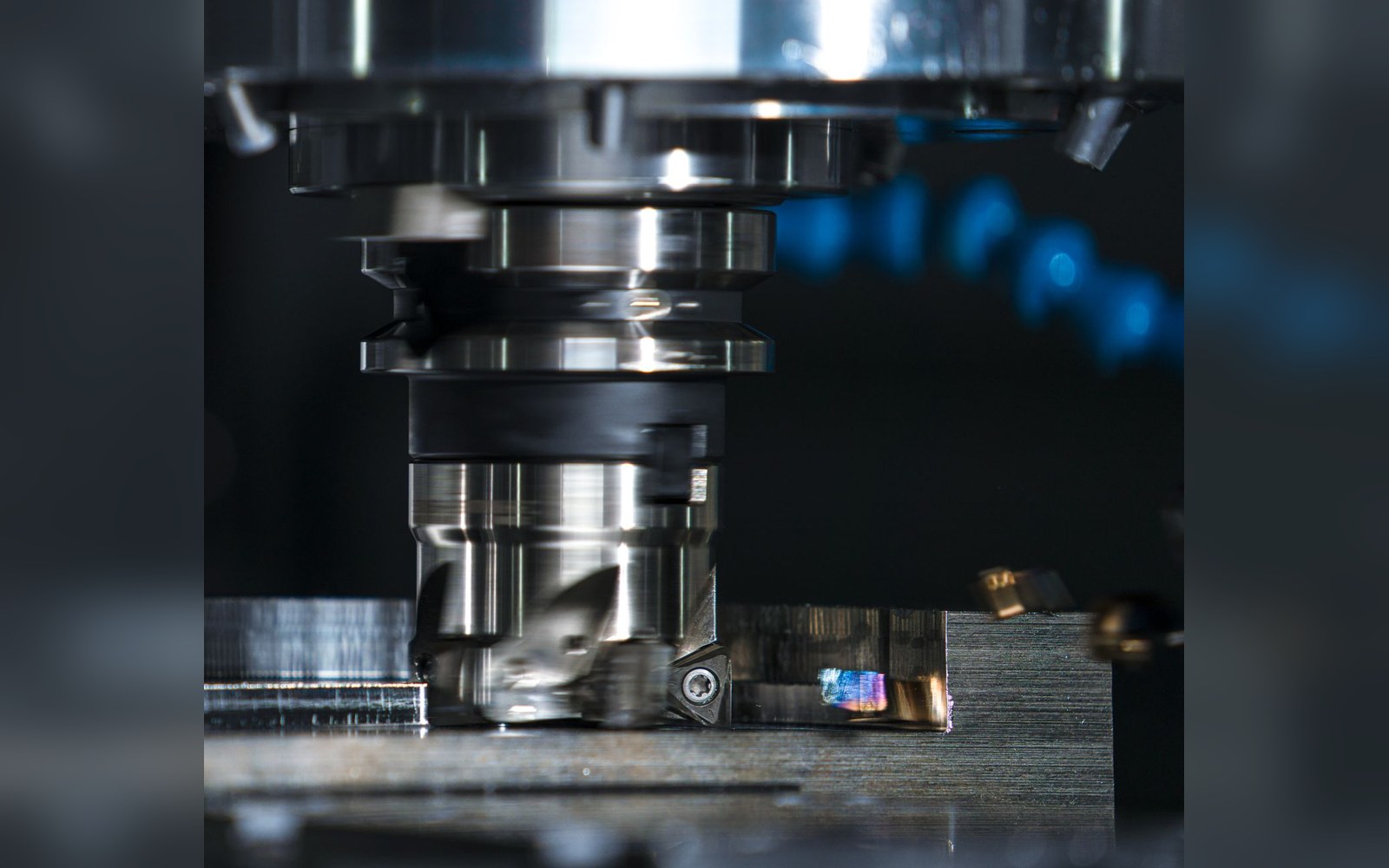
A bin of machined parts is roughly one production run at this volume.
Photo: Daniel Smyth / Pexels
The product range spans three distinct categories that share a single premise: the heel moves, and everything downstream of that fact must be engineered accordingly. Voile's cable bindings, sold under names including the Switchback, are built on the classic tensioned-cable architecture that threads a steel cable under the boot heel to maintain downward pressure through the telemark turn. The Switchback X is a cable binding built for the 75mm three-pin duckbill interface, the long-standing standard in the free-heel market. The split between those two standards — one legacy, one current — runs through Voile's own catalog history as clearly as it runs through the broader free-heel market.
The splitboard line, for which Voile remains arguably the most widely recognized name in North America, applies the same uphill logic to snowboarding: a board divided lengthwise into two ski-like halves, fitted with skins and a touring interface for the ascent, then locked into a unified riding platform for the descent. Splitboarding as a distinct equipment category owes a significant debt to Voile's early work in the format, and the company's hardware — clips, pucks, and binding interfaces — remains in wide use even on boards built by other manufacturers.
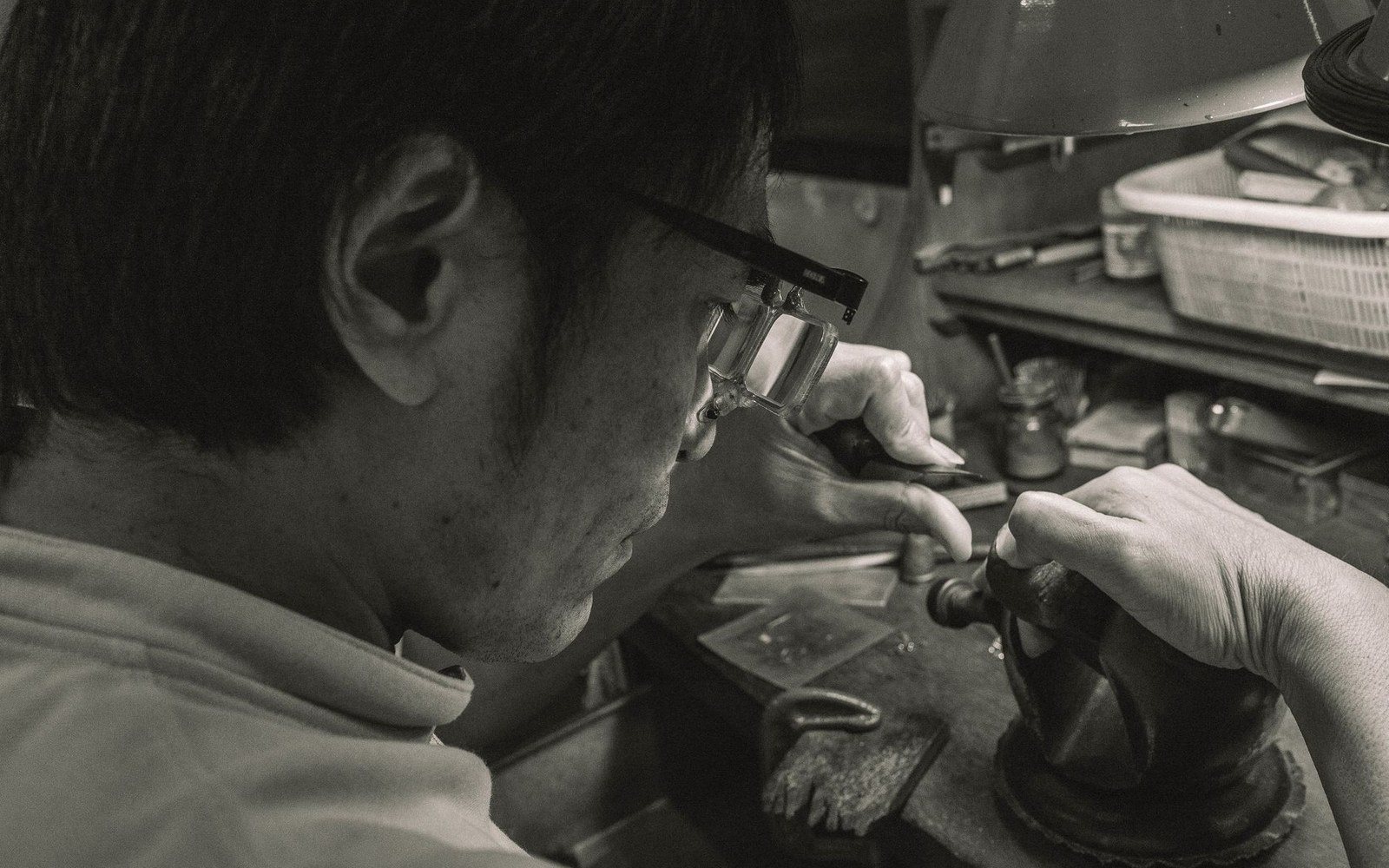
One binding, laid out. Free-heel hardware is assembled in batches small enough to fit on a cloth.
Photo: Dj Shiflet / Pexels
Skins round out the range. Voile produces both full-length climbing skins and the shorter, lighter "splitboard skins" sized for its own board dimensions. The materials are standard to the category — a nylon or mohair glide face, a polyurethane glue layer on the base-contact side — but fit and trim matter enormously at the binding interface, and Voile's skins are cut to work with its own hardware geometry.
Manufacturing at this scale, in a high-cost American city, is a constrained operation. Low-volume ski-hardware production means tooling amortized over small runs, domestic metal fabrication, and a price point that reflects those realities. Voile has navigated this by keeping its designs mechanically conservative — fewer moving parts, simpler tooling — and by serving a market, the backcountry uphill community, that has grown steadily through the 2010s and into the 2020s as uphill-access policies ↗ at resorts have formalized and trail use has expanded beyond the resort boundary entirely.
The company does not advertise aggressively. Its presence in the market is its hardware, visible on binding plates and touring setups across the Wasatch and well beyond it.
Chronology
- Early 1990sVoile establishes operations in Salt Lake City
- Mid-1990s onwardsplitboard hardware line develops; Voile becomes a recognized name in the format
- NTN eraSwitchback X introduced as NTN-compatible cable binding variant
- 2010s–2020sbackcountry uphill market expands; Voile's product range scales to meet it