Bishop Bindings and the BMF
Profiles Bishop Bindings and its BMF model — the mechanical design, the small-batch production context, and the market gap it addresses between the major NTN manufacturers.
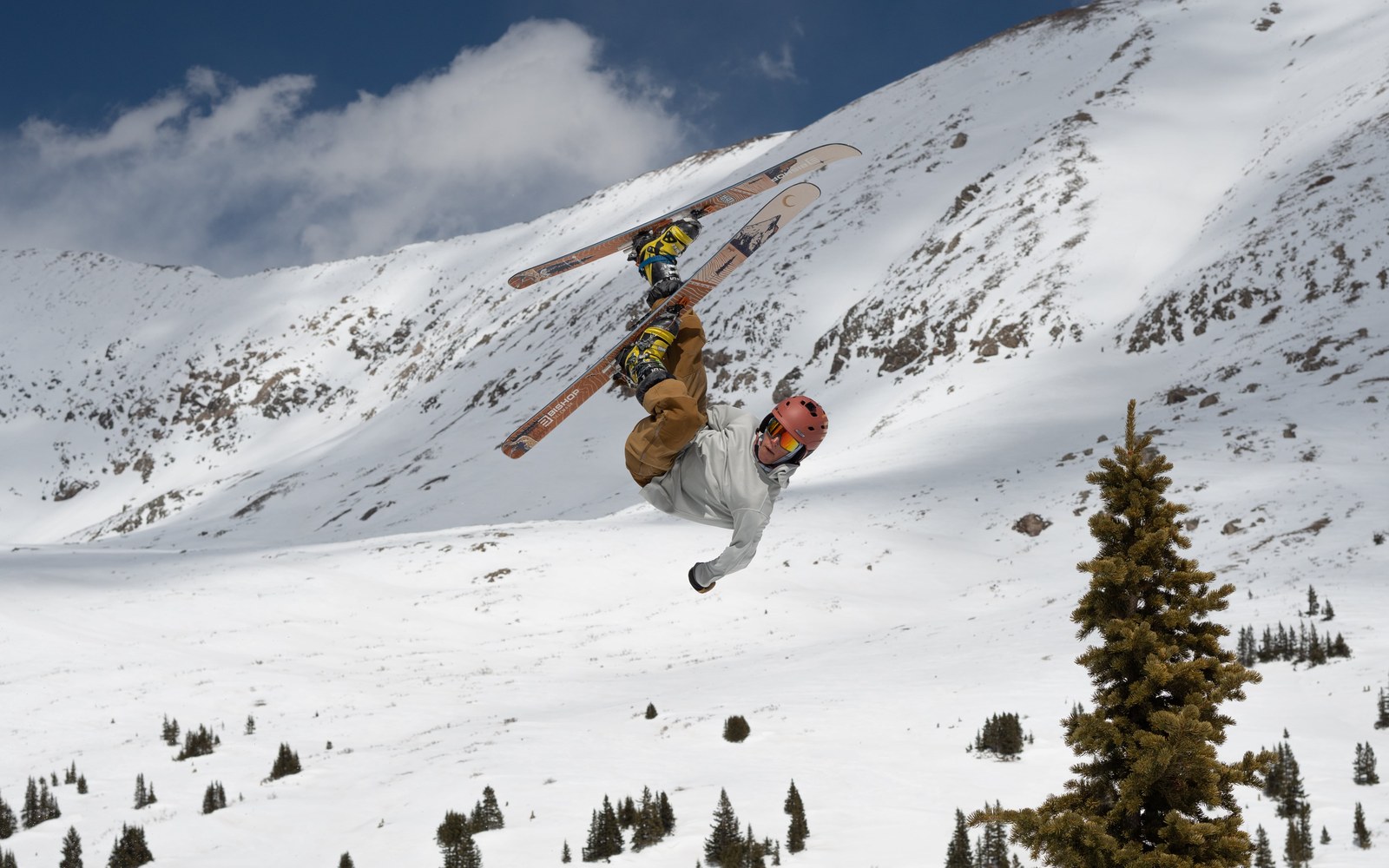
A cable telemark binding built around load rather than weight.
Photo: bishopbindings.com
A small-batch NTN binding built to fill the space between Rottefella and 22 Designs.
What the BMF Is
Bishop Bindings occupies a corner of the telemark market that most hardware businesses would not attempt: low-volume, direct-to-consumer NTN bindings built to specifications the major manufacturers either abandoned or never pursued. The BMF — the company's primary model — is a heavy-duty cable binding designed for aggressive backcountry use, with a mechanical architecture that prioritises touring range of motion alongside genuine downhill hold.

The binding uses a cable-tension system wrapped around the boot's heel, holding the boot from toe to heel and generating the forward pressure that characterises cable-binding geometry; it is offered for both 75mm and NTN boots. Where Rottefella's NTN Freeride pursued a broad market before its discontinuation, and where 22 Designs has settled into the Outlaw X as its flagship, Bishop addresses the skier who wants something neither catalogue lists: a binding tuned explicitly for steep, consequential terrain with hold they can trust.
Production is small by design. Bishop operates outside the supply chains and tooling amortisation schedules that govern ski-hardware businesses at even modest scale. That constraint shapes everything — lead times, customisation possibilities, and the direct relationship between maker and buyer that larger brands cannot replicate.
The market gap the BMF fills is real. As the NTN standard has matured since its 2007 introduction, the number of binding options within it has contracted rather than grown. Rottefella remains the norm's originator and dominant force; 22 Designs, based in Driggs, Idaho, covers the mid-market with proven hardware. Between them, and at the performance edge, there is space — and that is where Bishop operates, building a binding that reflects the values of free-heel skiing ↗ as terrain-seeking practice rather than resort recreation. Whatever happens on the race circuit, backcountry demand is where the BMF has always been aimed.