Crispi and the NTN Boot Field
Places Crispi's NTN boot range in the context of the wider boot market — the design differences from Scarpa, the touring-oriented models, and what the two-maker concentration of the NTN boot field means for the norm's future.

Crispi builds into both norms across its range. The field is smaller than the argument suggests.
Photo: www.crispi.it
Two makers hold the NTN boot market. What that concentration means depends on which way you're looking.
The Shape of the Field
The New Telemark Norm boot market is, in practical terms, a two-maker world. Rottefella introduced the NTN standard in 2007, and in the years since, Scarpa and Crispi have emerged as the dominant boot manufacturers building to it. That narrowness is not a product of indifference — it reflects how technically demanding the NTN shell geometry is. The bellows construction that defines a telemark boot, the accordion-like flex zone allowing the heel to lift while the binding holds the forefoot, must be engineered around an NTN-compatible toe box and sole profile simultaneously. The tolerances are tight. Small errors in sole geometry cascade into binding fit problems across the full Rottefella and 22 Designs lineup.
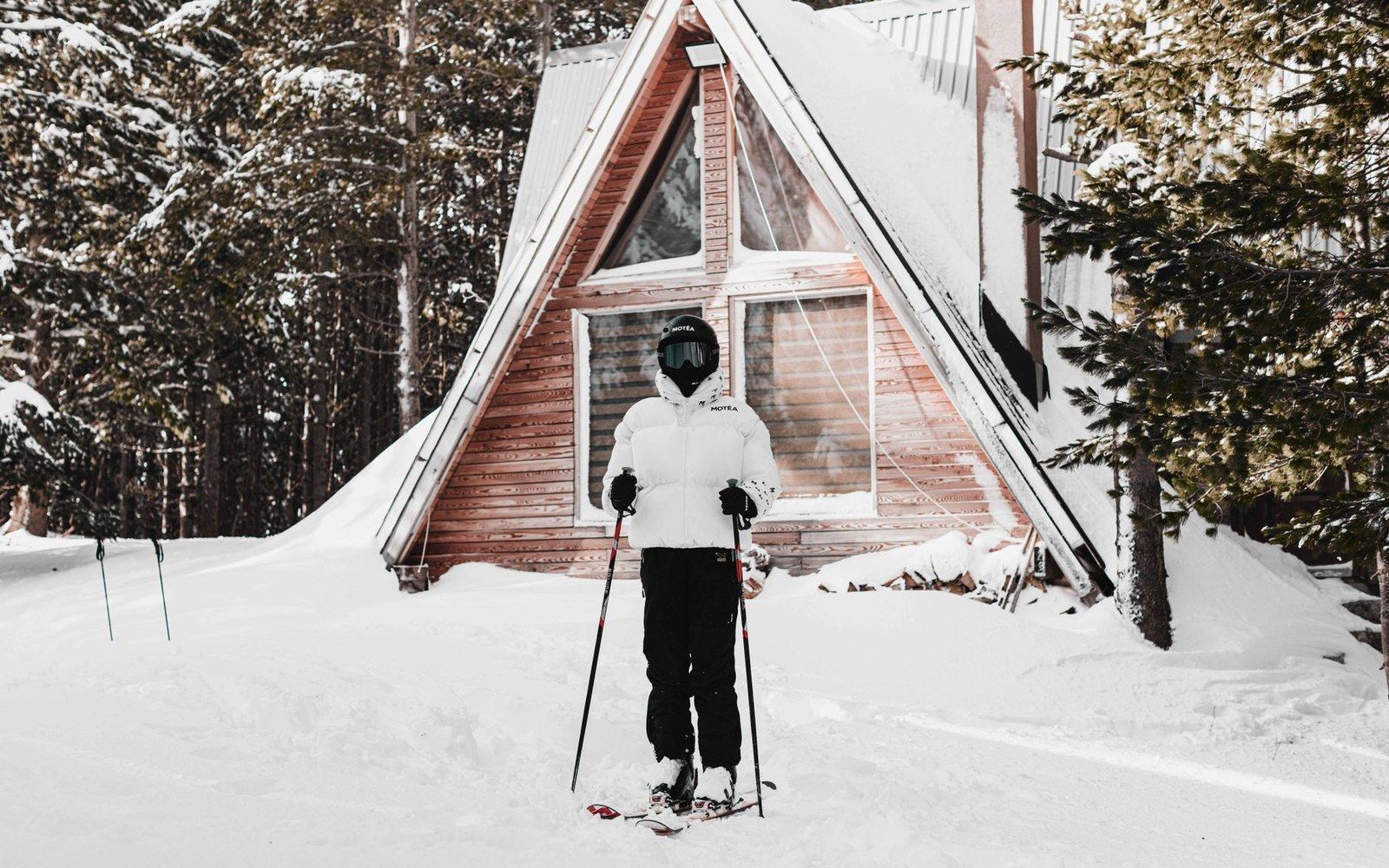
Both norms on one wall: duckbill and NTN setups rack together, ski for ski.
Photo: DYLBER CAUSHI / Pexels
Crispi is an Italian manufacturer with roots in alpine and ski-mountaineering footwear, and it shows in the brand's NTN offerings. Where Scarpa's TX Pro is widely read as a resort-oriented boot — stiff, forward-leaning, built for powered turns — Crispi tilts toward the touring end of the spectrum. Its NTN models prioritise walk-mode range of motion and a lighter overall platform, choices that reflect the same design logic that has driven Crispi's backcountry alpine line. For a skier whose day starts with a two-hour skin through the Tetons or the Chic-Chocs, that emphasis matters.
The two brands do not simply occupy different market positions, however — they have arrived at different structural answers to the same problem. Scarpa integrates its power strap and closure system around a relatively tall cuff; Crispi's cuff geometry is more abbreviated, trading some downhill authority for easier transition between ski and walk mode. Neither answer is wrong. They represent genuine design disagreement about what an NTN boot is for.
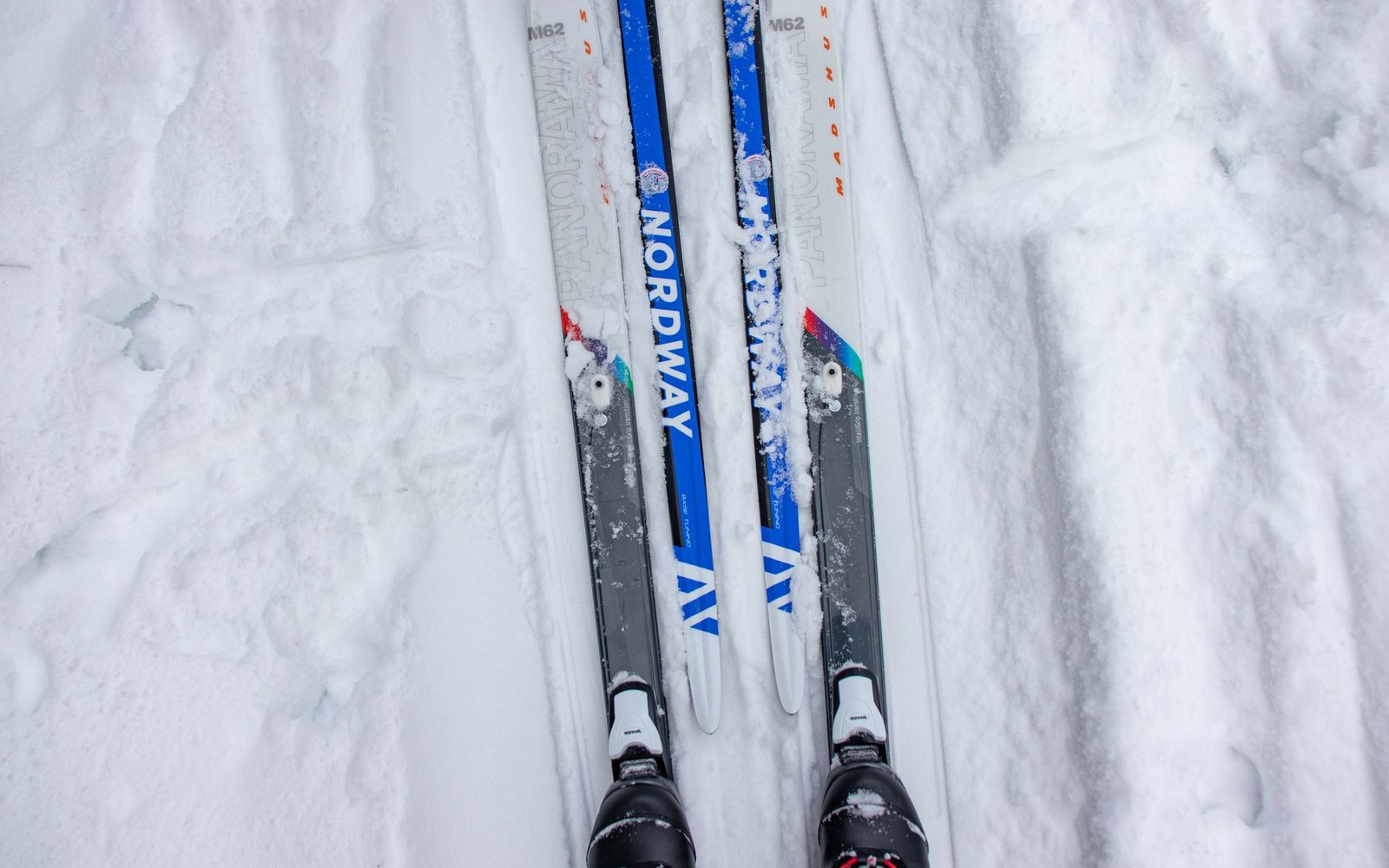
The crease is the point. A bellows is the only part of a ski boot built to bend.
Photo: Irina Zimno / Pexels
What the two-maker concentration does create is fragility. If one manufacturer exits the market — for commercial or operational reasons unrelated to the norm itself — the NTN boot field contracts to a single source overnight. That vulnerability sits in the background of every conversation about the norm's long-term prospects, particularly after FIS removed telemark from the 2026 World Cup calendar, a decision that trimmed one of the discipline's cleaner recruitment pipelines. Smaller market, fewer competitive skiers cycling through gear, less commercial pressure on a second or third manufacturer to enter.
Crispi's presence in the NTN field is therefore not just a product story. It is structural insurance for the norm — a second engineering voice, a second supply chain, a second answer to the question of what free-heel performance looks like when the heel finally has somewhere to go.