Bellows Construction: What Flex Actually Means
Describes the physical structure of the telemark boot bellows — the material layers, the geometry of the flex zone, and how published flex ratings from Scarpa and Crispi are measured and what they correspond to in the boot's behaviour.
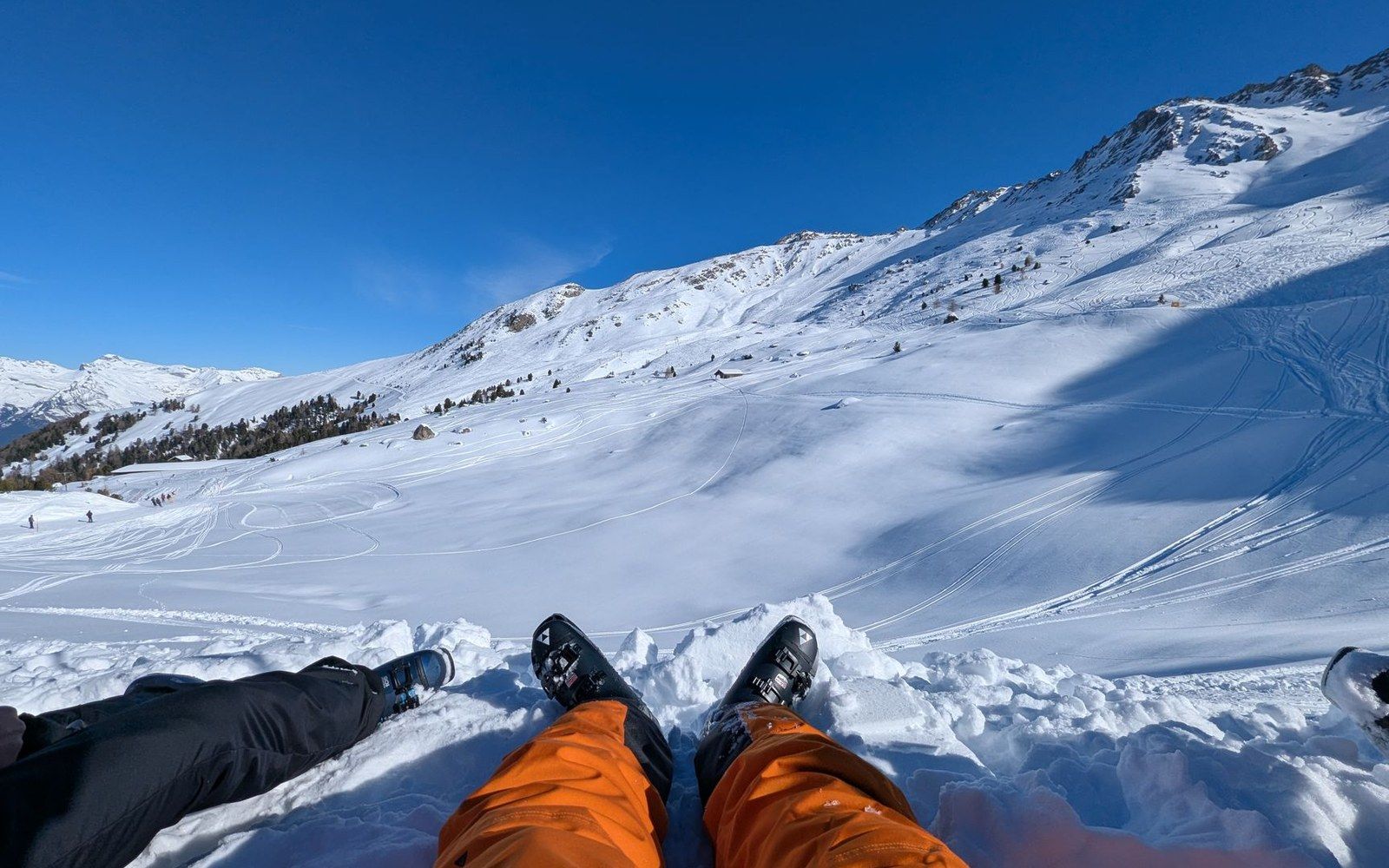
Flex is a construction: how many folds, how thick the plastic, how far forward the hinge sits.
Photo: Tino Van Staeyen / Pexels
The flex rating printed on a telemark boot box is real information — once you understand what it is actually measuring.
The Structure of the Flex Zone
A telemark boot's bellows is the accordion-like fold built into the lower shell, typically running from just above the toe box to just below the cuff. Where an alpine boot transmits force through a rigid shell into a fixed heel, a telemark boot must allow the heel to rise while the foot remains attached to the ski. The bellows is what makes that possible. It is not a gap or a hinge; it is a deliberately engineered deformation zone, and its behaviour governs almost everything the boot communicates to the ski.
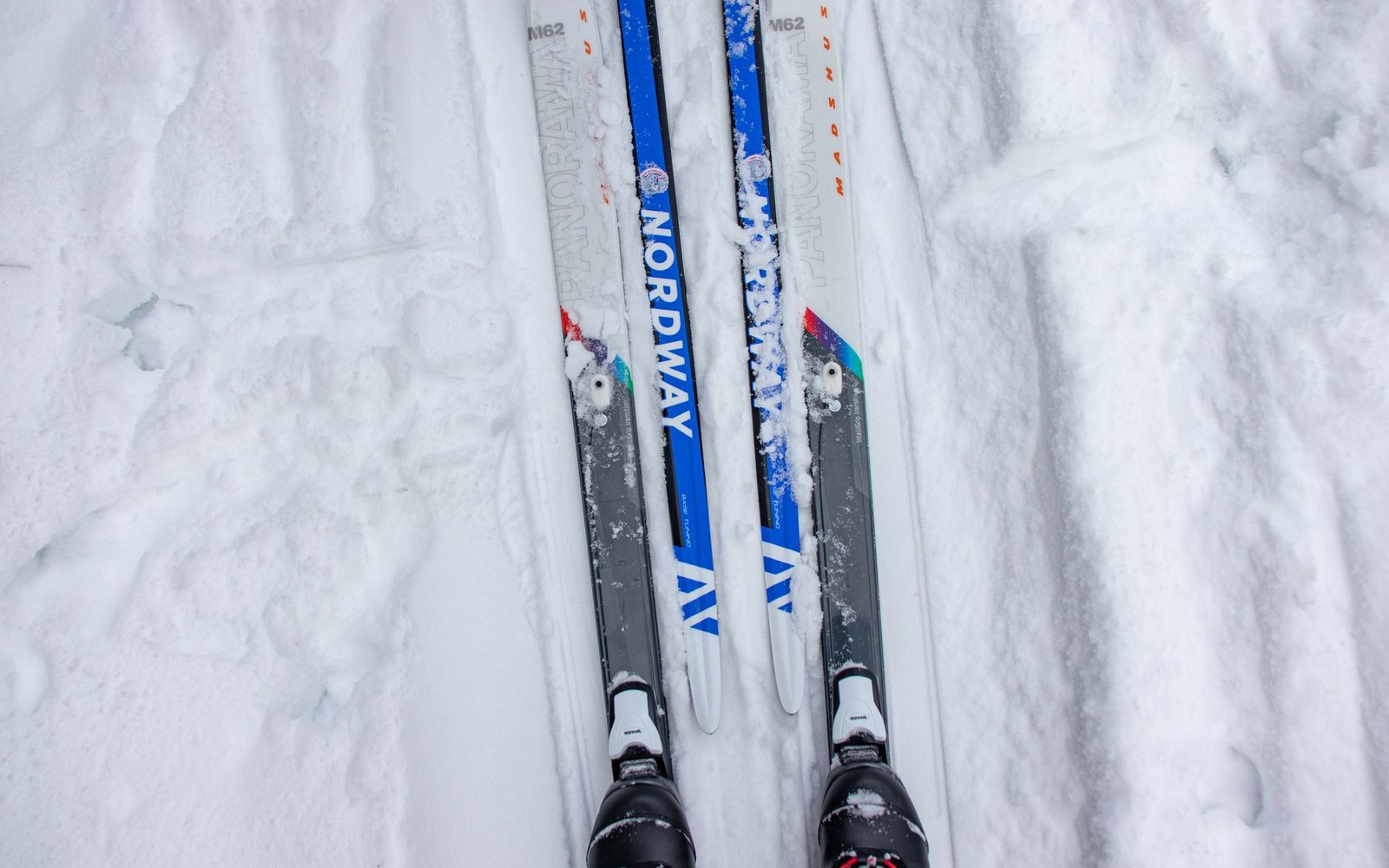
The crease is the point. A bellows is the only part of a ski boot built to bend.
Photo: Irina Zimno / Pexels
The construction typically involves two or three layers working in concert. An outer thermoplastic shell — polyurethane in most hardshell designs — is moulded with a series of parallel convex ridges, the corrugations that give the bellows its name. Beneath that sits a waterproof membrane or rand, and inside, a foam liner shaped to transmit force evenly across the foot. The ridges compress and extend on each lead change; their geometry — ridge height, ridge spacing, and the wall thickness of the thermoplastic at each fold — determines where on the stiffness curve a given boot sits.
What the Numbers Mean
Scarpa and Crispi both publish flex ratings for their NTN telemark boots, though neither manufacturer uses an identical scale or testing methodology. Scarpa expresses flex as a single integer — a figure on a scale spanning its telemark lineup — derived from the measured force required to deflect the boot to a fixed angle under lab conditions. Crispi uses a comparable numerical scale on models such as the CX Pro NTN. The number is a relative index within each brand's own lineup, not an absolute cross-brand value; a Scarpa 7 and a Crispi 7 describe boots that occupy similar positions within their respective ranges, but the numbers are not directly convertible.
What the rating tracks in practice is the force needed to initiate and complete the drop-knee position across a full turn cycle. A lower number means the corrugations compress more readily; the boot asks less of the skier's calf and Achilles to drive the rear foot forward. A higher number means more resistance throughout the arc, which translates to more energy returned to the ski when the flex unloads. Higher is not universally better. The bellows in a stiffer boot returns more rebound but demands more muscular work and penalises hesitation in the timing of the lead change. A softer boot forgives inconsistency and suits longer tours where the flex zone is cycling thousands of times before any serious descent begins.
Temperature matters in ways the ratings do not fully capture. Polyurethane stiffens substantially below freezing — a property documented in published polymer mechanics literature — and a boot rated at a mid-range flex at room temperature will behave closer to the top of its range on a cold January morning in the Chic-Chocs, Quebec. Some manufacturers specify test temperatures; where they do not, the published rating is best understood as a warm-condition baseline.
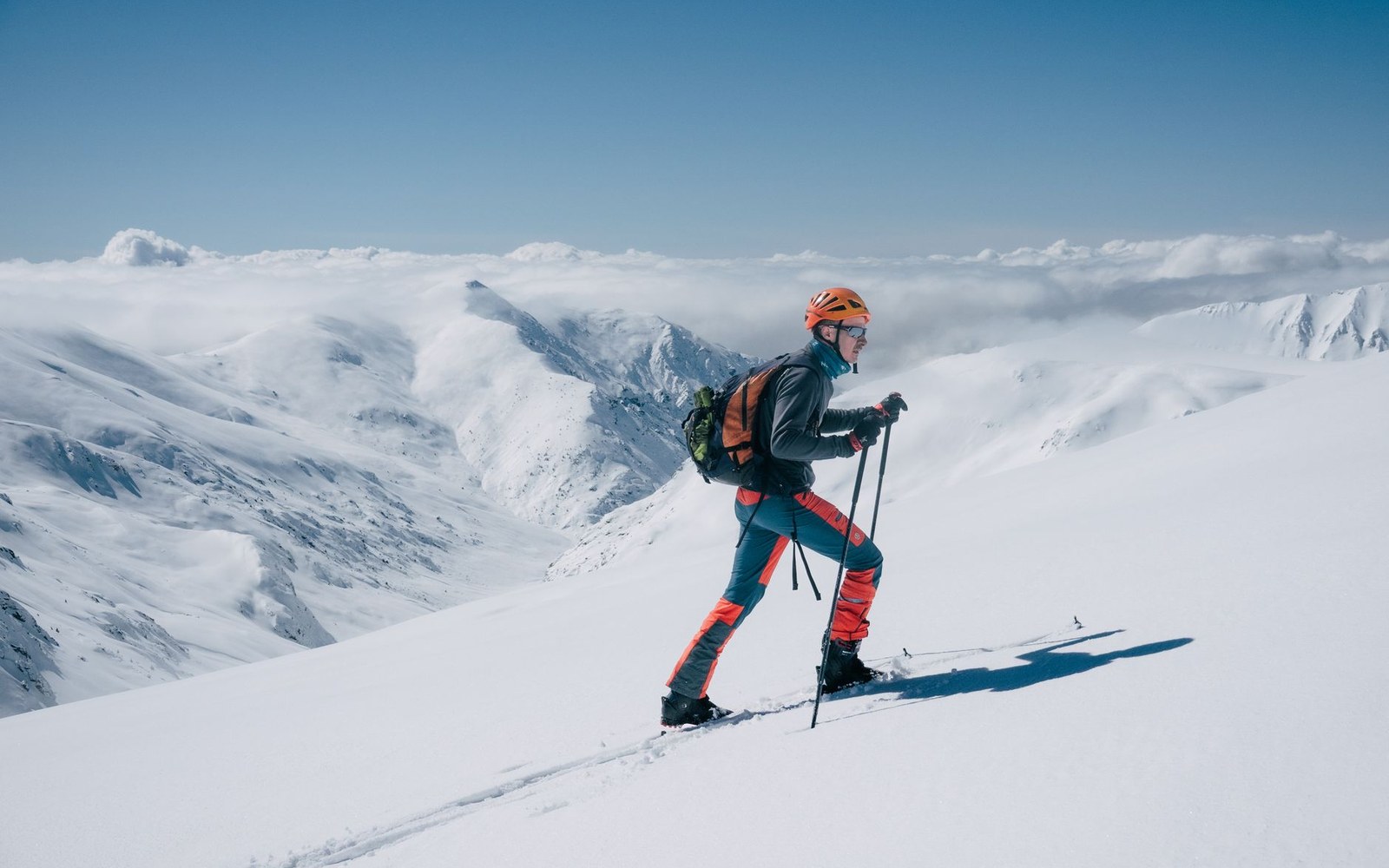
Skins off at the top. Compatibility with the toe piece is now a purchase criterion.
Photo: Jordi Costa Tomé / Pexels
The liner's contribution is underappreciated. A dense foam liner packed tight against the bellows ridges adds functional stiffness independent of the shell rating. Skiers who heat-mould liners to a precise fit sometimes report that the boot feels stiffer after moulding, not because the shell has changed but because the liner now occupies more of the void that previously let the corrugations move freely before engaging the foot.
Ridge geometry also interacts with boot volume. A wider forefoot requires deeper ridges or more of them to achieve the same range of motion without thinning the thermoplastic wall at the flex point — which is why Scarpa's TX Pro, designed around a narrower last, runs different corrugation geometry than Crispi's wider-lasted NTN offerings. The number on the box is real. The structure behind it is more specific than it looks.