Why the Turn Survives on Shaped Skis
Examines the geometric tension between the telemark position and the sidecut geometry of modern skis — why the turn's mechanics changed after the shaped-ski transition of the 1990s and why practitioners continued to use it regardless.
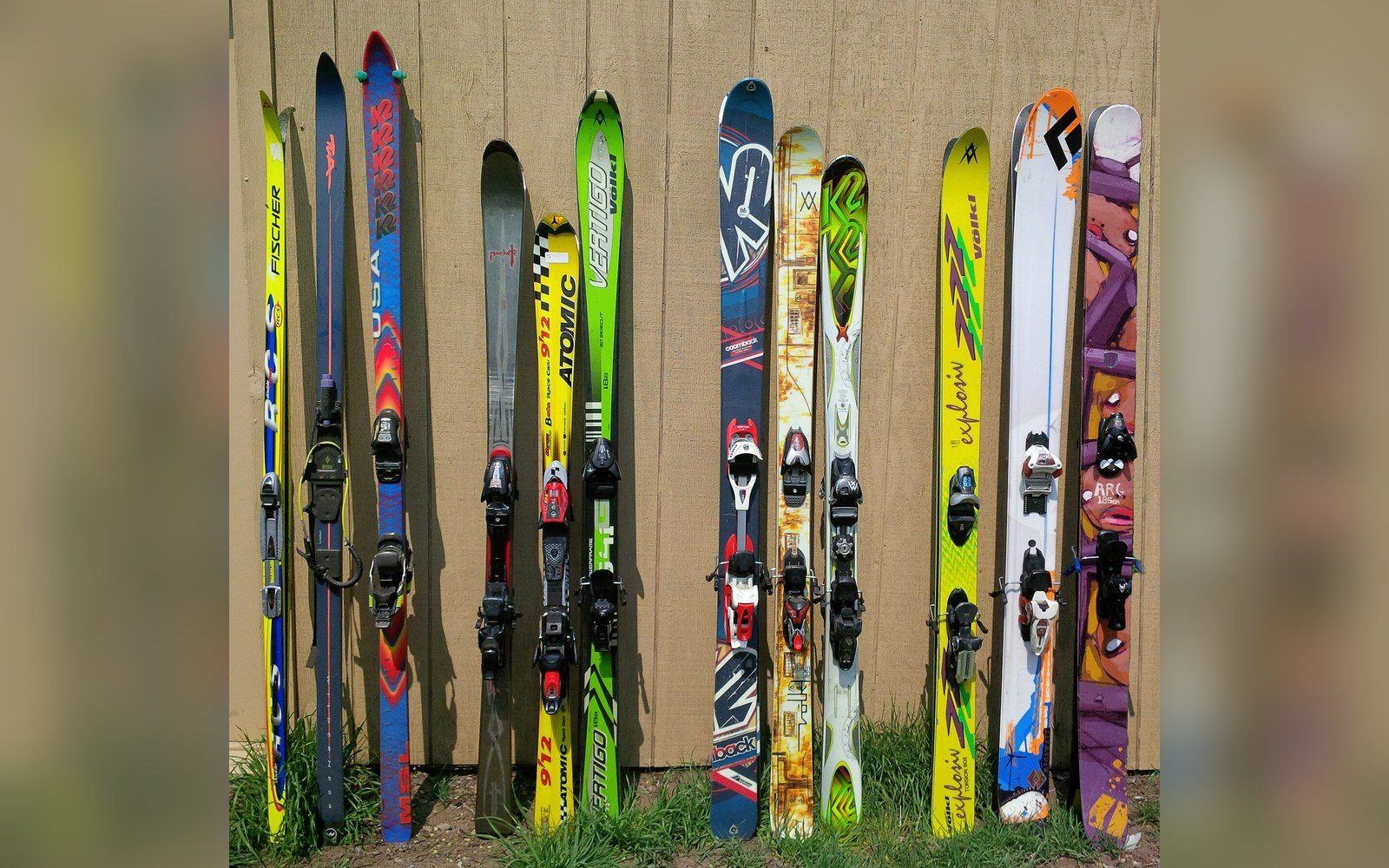
Shaped skis did not retire the turn; they changed what it costs to make one.
Photo: SkiCollection · Wikimedia Commons
The drop-knee position was designed for straight skis. Modern equipment has deeper sidecuts, shorter lengths, and aggressive camber profiles — and telemark skiers use it anyway.
The Geometric Tension
Shaped skis arrived in the mainstream alpine market during the mid-1990s, and free-heel skiers largely followed. The transition introduced a real mechanical contradiction: the telemark drop-knee position shifts weight disproportionately to the tip of the rear ski, while a deep sidecut — measured as the radius arc carved by the ski's hourglass geometry — is calibrated for even edge pressure along the full length. Apply the telemark stance to a modern shaped ski and the rear ski's tip bites into the snow while its tail wanders. The carved arc that sidecut geometry promises becomes harder to execute cleanly.
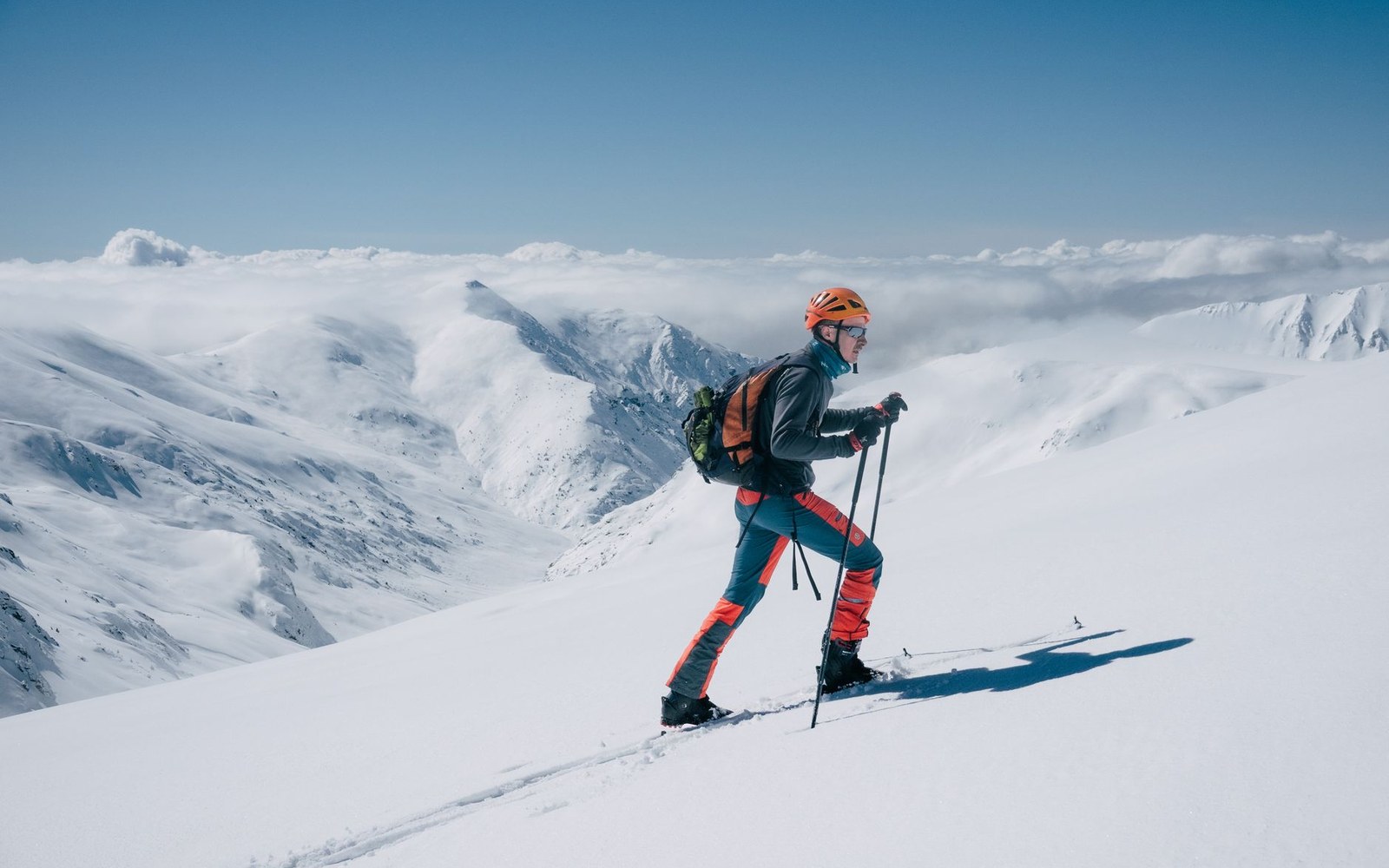
Biomechanical research on the telemark turn, including work surveying knee-loading patterns specific to the discipline, confirms that load distribution between the two skis differs substantially from alpine technique. The front ski carries the primary carving load; the rear ski functions more as a stabiliser than a second carving platform. That asymmetry matters more on a ski with a 14-metre radius than on the straight planks the position evolved alongside.
Why Practitioners Continued Regardless
Geometry alone has never governed adoption. The telemark turn carries a body of practice and identity that outlasted the ski shapes it was built on, and the discipline's backcountry utility remained entirely independent of sidecut arithmetic. On firm, tracked terrain the mechanical penalty is real. On variable snow — the breakable crust and wind-affected surfaces common in the Chic-Chocs or the Wasatch backcountry — the wide, progressive stance offers a stability that compensates for what the carved arc loses.
Manufacturers responded practically rather than theoretically. Wider waists reduced the severity of the sidecut mismatch. Stiffer tail profiles on dedicated telemark-specific ski shapes ↗ gave the rear ski more authority. The position did not disappear; it adapted. The turn survives on shaped skis not because the geometry resolved cleanly, but because the people who use it decided the tradeoff was acceptable — and the evidence, still accumulating in event series and backcountry travel, suggests they were right.