Rottefella NTN Freeride: Gone, and Partly Back
Traces the discontinuation of the Rottefella NTN Freeride binding and the partial return of its components — what was discontinued, what returned, and what the episode reveals about demand in a small market.
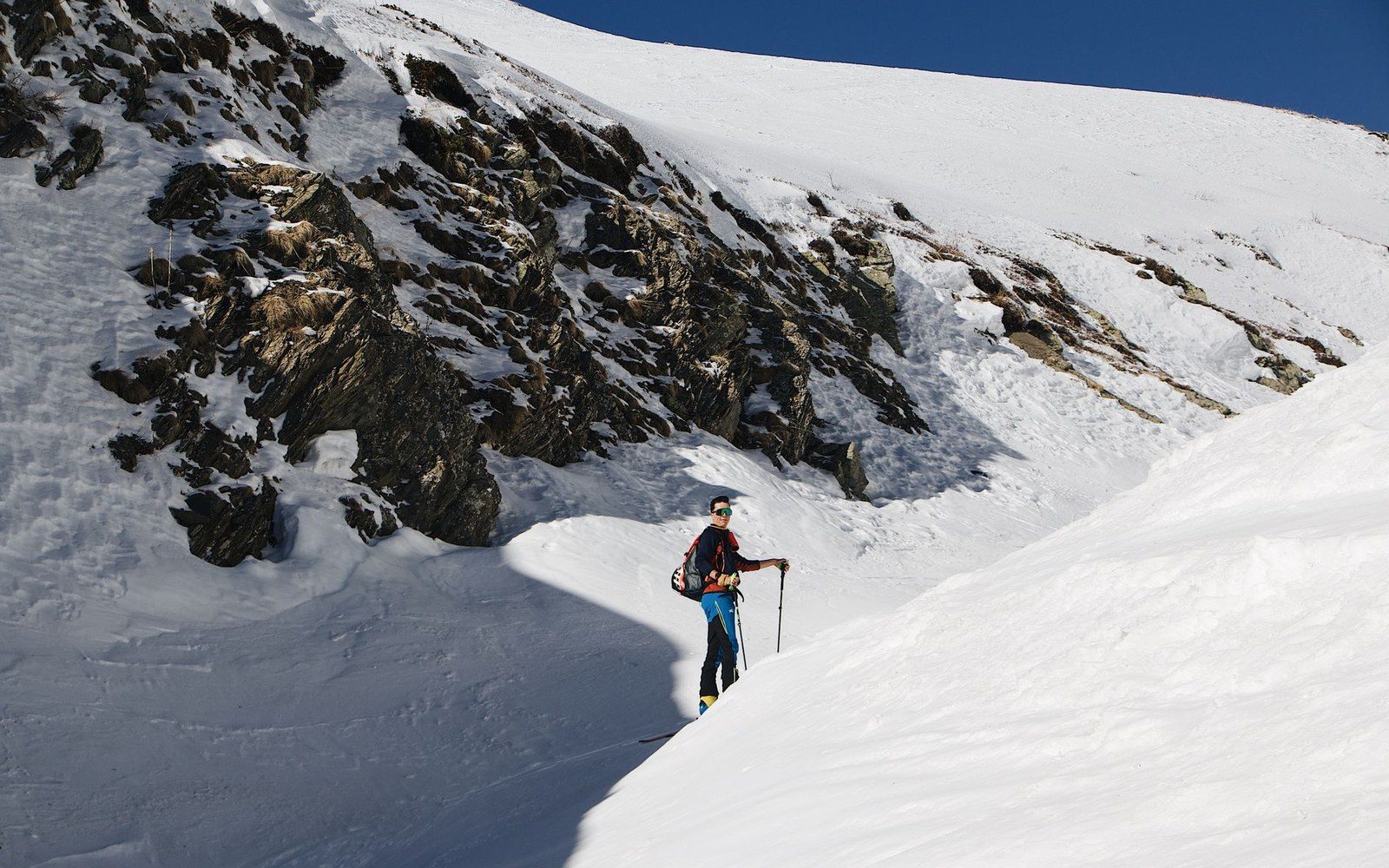
Discontinued, then partly reinstated — a product line read as a record of demand.
Photo: Maël BALLAND / Pexels
A binding that disappeared from the catalogue, then came back in pieces — and what that tells you about the size of this market.
What Happened, and What It Means
Rottefella introduced the NTN Freeride as its downhill-oriented entry in the New Telemark Norm ecosystem, positioned above the Freedom as a stiffer, more powerful option for aggressive resort and backcountry use. The binding offered a rotational-release mechanism, a beefy frame designed to handle hard charging, and the forward-pressure architecture that defines NTN — heel-free travel with genuine retention through the turn. For several seasons it was the go-to recommendation for riders who wanted NTN performance without the small-batch provenance of a Meidjo or a BMF.
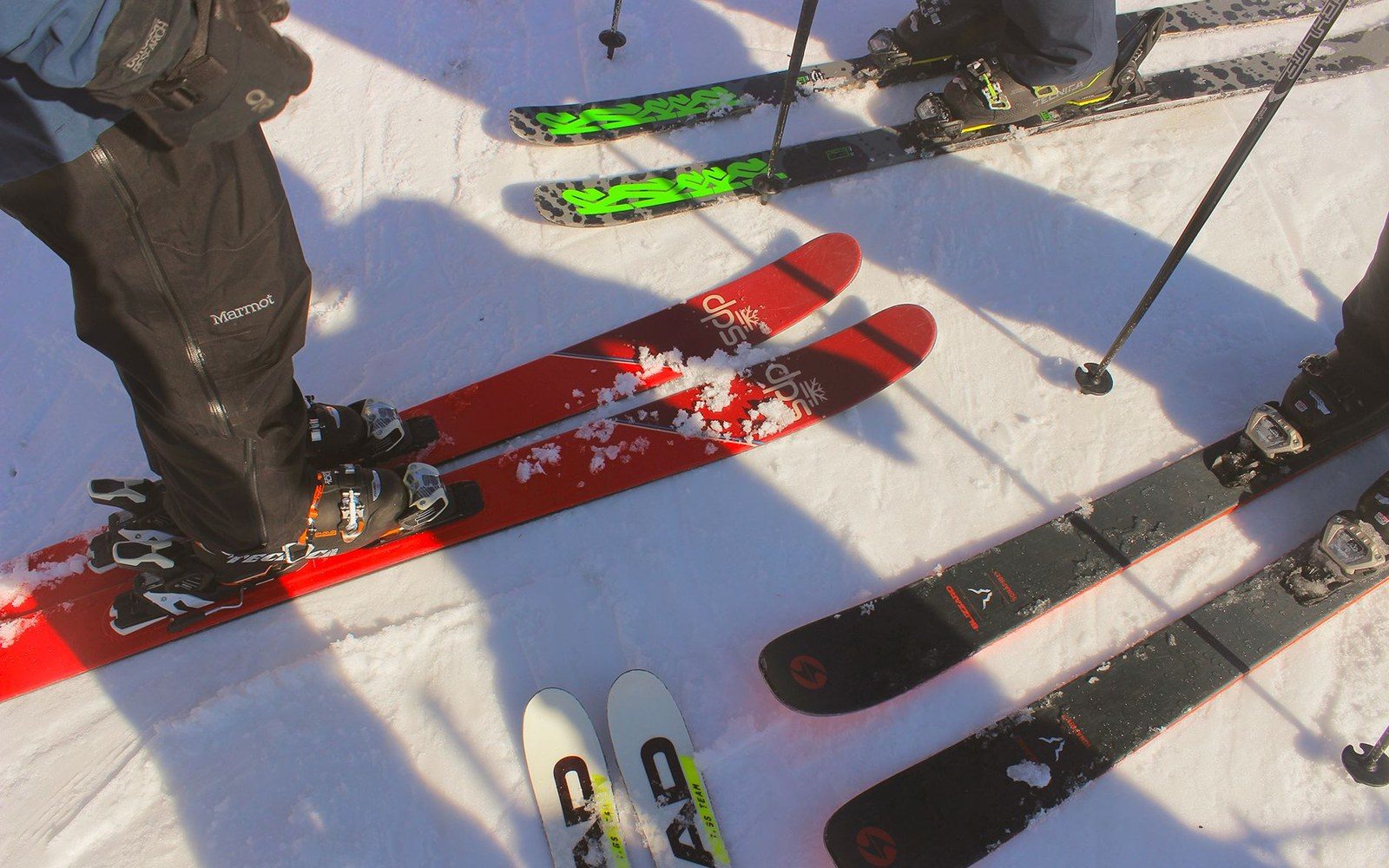
The New Telemark Norm seen from above: the claw sits forward of the toe, the pivot behind it.
Photo: sig / Pexels
Then Rottefella quietly removed it from production. No announcement with particular fanfare; it simply ceased to appear in catalogues. The company, headquartered in Norway ↗ and carrying the weight of having authored the NTN standard itself, was rationalising a product line that serves a global market measured in thousands of units per year, not hundreds of thousands. In a business that also supplies cross-country racing equipment to an Olympic-scale audience, the Freeride's production run was always going to be vulnerable.
What followed was a partial rehabilitation. Rottefella did not resurrect the Freeride as a catalogued binding, but it continued to supply replacement components — heel-unit parts, springs, hardware — through service channels. For existing owners, this was a meaningful distinction: the binding could be maintained, even if it could not be newly purchased. Whether that parts pipeline remains open indefinitely is a question the market cannot answer confidently, because Rottefella has not committed to a support horizon in published documentation.
One binding, laid out. Free-heel hardware is assembled in batches small enough to fit on a cloth.
Photo: Dj Shiflet / Pexels
The episode is instructive precisely because Rottefella is not a marginal actor. It is the organisation that established the NTN standard and holds the norm's architecture. If even the norm-setter cannot sustain a premium downhill telemark binding across a normal product lifecycle, it says something plainly about demand. Companies like 22 Designs in Driggs, Idaho, and The M Equipment build their entire operating model around this reality — low volume, long tails, deep service commitments, because the alternative is exactly what happened to the Freeride.
For current NTN riders holding a Freeride underfoot, the practical upshot is straightforward: document the serial number, maintain contact with Rottefella's service network, and treat consumable parts as worth stockpiling. The binding is well-engineered. Whether it is supported indefinitely is a different question entirely.
Chronology
- NTN standard introduced2007
- NTN Freeride introducedspecific date unconfirmed; several seasons post-2007
- NTN Freeride discontinuedexact year not publicly confirmed by Rottefella
- Component parts supply continued post-discontinuationongoing, no published end date